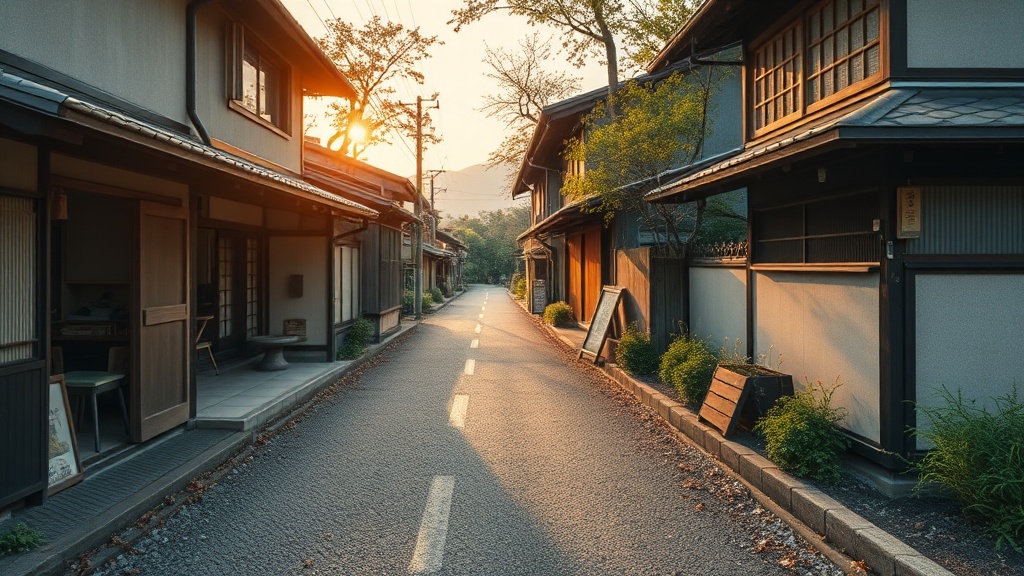
A Quiet Look at the Slow Pace of Rural Kyoto Life

This guide explores the subtle rhythms of rural Kyoto, specifically focusing on the seasonal shifts in the northern mountains and the traditional lifestyle of its small villages. You'll learn how to approach these communities with respect, what to expect during different seasons, and how to move through these spaces without disrupting the local pace. It's about understanding the quietude that defines the area rather than just checking off landmarks.
When is the best time to visit the northern Kyoto mountains?
Timing your visit to the northern reaches of Kyoto—areas like Kurama, Kibune, or the deeper parts of Ohara—depends entirely on what kind of quiet you're looking for. Most people associate Kyoto with the explosive colors of spring or autumn, but the true character of these villages reveals itself in the transitions. In early summer, the lush greenery is almost overwhelming; the moss in the temple gardens looks heavy with moisture and life. This is a time of deep greens and soft, humid air.
If you prefer the crispness of autumn, the colors are undeniable, but the crowds tend to swell. To find the actual essence of the place, I suggest looking toward the late winter or early spring. There is a certain stark beauty in a landscape that isn't trying to impress anyone. The bare branches and the stillness of a mountain village under a light dusting of snow offer a different kind of clarity. It's a moment to watch the way smoke rises from a wood-burning stove or how the light hits a stone path. If you want to see the local rhythm, go when the seasons are turning, not just when they are at their most dramatic peak.
What should I pack for a rural Kyoto retreat?
Packing for the mountains requires more than just a camera. The weather in the northern districts can shift rapidly compared to the city center. Even in the height of summer, a light layer is a smart move for the evenings. If you're heading into the deeper valleys, the dampness can linger, making even a short walk feel quite cool. I've seen many travelers caught off guard by how much the temperature drops once the sun dips behind the ridges.
- Sturdy footwear: Most paths in these villages are stone or uneven dirt. You don't need professional hiking boots, but a solid pair of walking shoes is non-negotiable.
- Layered clothing: A light windbreaker or a linen shirt can make a difference when the mountain air shifts.
- A reusable water bottle: While there are small shops, having your own water helps you stay mobile.
- A small notebook: Sometimes, the most interesting thing you'll see isn't a monument, but the way a local gardener tends to a single tree.
I often find that the best way to experience these areas is to slow down. Don't feel the need to rush from one temple to the next. Sit at a small tea house, watch the steam rise from your cup, and observe the people around you. It's in these small, unscripted moments—the way a shopkeeper sweeps their doorstep or the sound of a distant bell—that the real story lives.
How can I respect local customs in small villages?
In the smaller, more remote parts of Kyoto, the social contract is a bit different than in the bustling streets of Gion. People here live in a constant, quiet dialogue with their surroundings. Being a respectful observer means more than just being polite; it means being aware of your footprint. In many of these villages, the houses are close to the path, and the sounds of the neighborhood are part of the daily fabric. Keep your voice low when walking through residential areas.
When visiting temples or smaller shrines, remember that these aren't just tourist sites; they are active places of worship and community. A simple bow or a moment of silence goes a long way. If you see someone working in a garden or tending to a storefront, a small nod of acknowledgment is often more meaningful than a long conversation. You're a guest in their daily life, and treating that time as something precious is the best way to show respect. For more detailed information on cultural etiquette in Japan, the official Japan Tourism website provides a wealth of practical advice on social norms.
The beauty of these rural areas lies in their lack of pretension. You won't find many flashy attractions, but you will find a sense of continuity. The way a stone lantern is placed or how a small vegetable patch is maintained tells a story of generations. It's a slow, steady persistence. If you look closely at the textures—the weathered wood of a gate, the moss on a stone, the grain of a handmade bowl—you'll see the depth of the culture here. It's a world that doesn't need to shout to be heard.
To understand the geography and the weather patterns more deeply, checking the Japan Meteorological Agency can help you plan your movements around the changing mountain weather. Being prepared is the first step to being present. When you aren't worrying about the temperature or the path, you can actually see what's in front of you.
A Note on the Quietude
There is a specific kind of silence in the mountains. It isn't the absence of sound, but rather a different frequency of it. It's the sound of wind through bamboo, the trickle of a stream, and the rhythmic thud of a wooden mallet. If you approach these places with the intention to learn rather than to consume, you'll find that the mountains have a lot to say. It’s a slow way to travel, but it's a much more rewarding way to live.