Eco‑Friendly Spring Cleaning Checklist: Refresh Your Home Mindfully

Ever opened a window and felt the house breathe? Spring invites us to let our spaces exhale, but the usual cleaning frenzy can leave a carbon footprint bigger than the dust we chase. In this checklist I’ll walk you through a quiet, planet‑friendly way to refresh every room, step by step.
Why does an eco‑friendly spring cleaning matter?
Beyond the sparkle, the chemicals we spray can linger in the air, irritate skin, and travel downstream into waterways. The EPA notes that indoor air can be up to five times more polluted than outdoor air, especially after a heavy cleaning session. Choosing greener methods not only protects the planet but also nurtures the subtle rhythms of daily life that I cherish in my travels.
What tools should I gather before I start?
- Reusable cleaning cloths – organic cotton or bamboo, washed after each use.
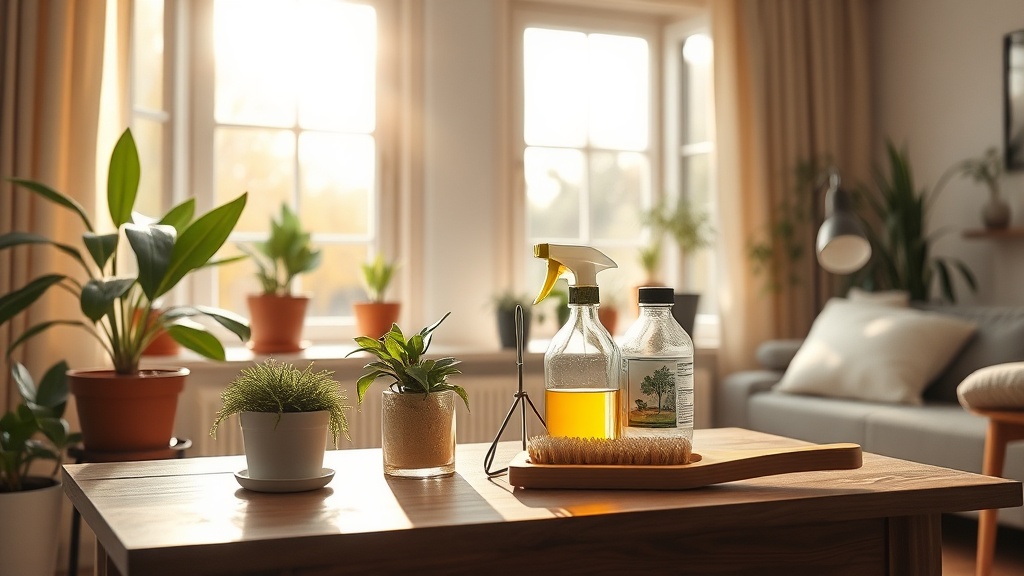
- Glass spray bottles – fill them with homemade solutions (vinegar, citrus peels, baking soda).
- Bamboo scrub brush – sturdy without plastic.
- Microfiber mop – captures dust without chemicals.
- Natural air‑fresheners – dried lavender bundles or a few drops of essential oil.
All of these can be found at local zero‑waste stores or online marketplaces that champion sustainable packaging. U.S. Sustainability Office offers a handy list of certified retailers.
How do I tackle each room without waste?
Living Room – resetting your circadian rhythm can help you notice lingering odors.
1. Dust with a dry microfiber cloth. Capture particles instead of scattering them.
2. Vacuum the rug using a HEPA‑rated filter. This traps fine dust that could otherwise re‑settle.
3. Wipe surfaces with a 1:1 vinegar‑water mix. Vinegar cuts grime and leaves no residue.
Kitchen – the heart of home meals
1. Soak pans in hot water with a splash of lemon juice. The acidity loosens stuck food without harsh abrasives.
2. Clean the fridge with a baking‑soda paste. It neutralizes odors naturally.
3. Swap disposable sponges for a washable cellulose scrub. One sponge can last months.
Bathroom – a place for quiet reflection
1. Spray tile grout with a mixture of baking soda and hydrogen peroxide. Let it fizz, then scrub with a bamboo brush.
2. Use castile soap diluted in water for sinks and tubs. It’s biodegradable and gentle on skin.
3. Replace plastic shower curtains with a washable cotton liner. Wash it every few weeks to avoid mold buildup.
When should I schedule each step?
Spring’s daylight increase gives us extra evening light. Aim to allocate 30‑45 minutes per room, preferably after sunset when the natural light is softer. This aligns with the rhythm I observed while documenting night markets in Southeast Asia – the quieter hours bring focus.
What are the quick wins for immediate impact?
- Open windows for 10‑15 minutes. Fresh air flushes out volatile organic compounds (VOCs) released from cleaning agents.
- Swap paper towels for reusable cloths. One cloth replaces dozens of rolls each year.
- Use a plant as a natural air purifier. Snake plants and peace lilies absorb pollutants.
How can I keep the momentum after the big day?
Set a weekly “micro‑clean” routine: a 10‑minute sweep, a wipe‑down of high‑traffic surfaces, and a quick plant‑care session. Small, consistent actions prevent the need for another massive overhaul later.
Takeaway
Eco‑friendly spring cleaning isn’t about perfection; it’s about honoring the ordinary spaces that hold our everyday stories. Follow this checklist, breathe in the fresh air, and let your home reflect the same quiet resilience you find in the streets you wander.
Related Reading
- My earlier spring‑cleaning guide – a deeper dive into product choices.
- Travel light, travel mindfully – decluttering tips that work beyond the home.
- Syncing meals with light cycles – how daylight influences well‑being.