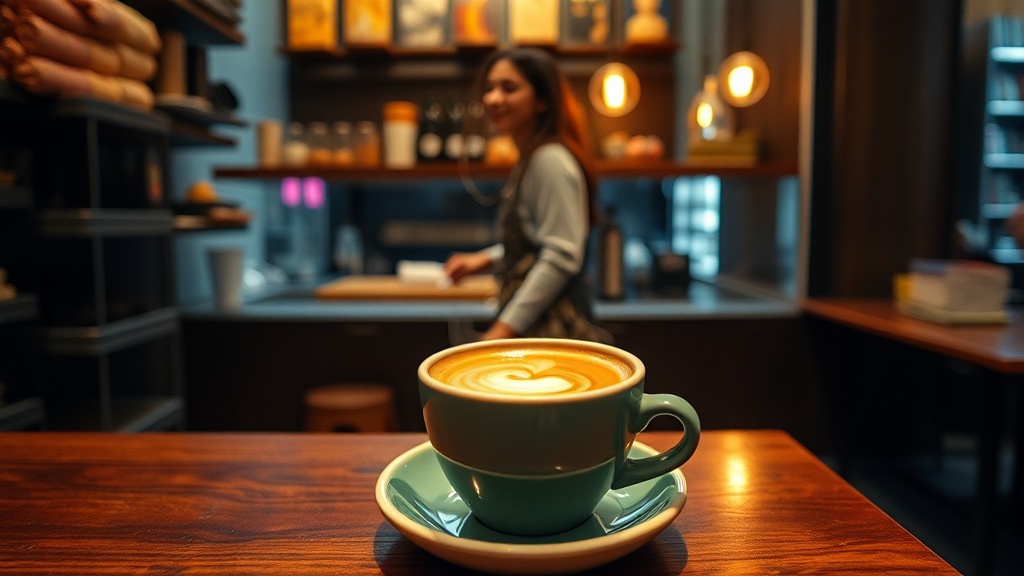
Finding the Best Local Coffee in Mexico City

What You Will Learn in This Guide
This guide provides a practical framework for identifying, locating, and ordering high-quality coffee in Mexico City. You will learn how to distinguish between commercial coffee chains and specialized third-wave roasters, the specific neighborhoods where the best beans are processed, and the cultural nuances of coffee consumption in Mexico's capital. By following these steps, you can avoid mediocre brews and find establishments that prioritize single-origin beans and precise brewing methods.
Understanding the Coffee Landscape in Mexico City
Mexico City (CDMX) is currently experiencing a significant shift in its coffee culture. While traditional cafeterías—which often serve heavily sweetened, milky coffee or instant varieties—remain common, a sophisticated third-wave movement has taken root. This movement focuses on the transparency of the supply chain, the specific altitude at which beans were grown, and the precision of the roast. To find the best coffee, you must look for shops that treat coffee as an agricultural product rather than a commodity.
The city’s coffee scene is largely driven by local roasters who source directly from farms in regions like Chiapas, Oaxaca, and Veracruz. When you enter a shop, look for a "roast date" on the bags of beans for sale. If a shop cannot tell you the origin of their beans or the date they were roasted, it is likely a commercial-grade establishment rather than a specialty shop.
Key Neighborhoods for Specialty Coffee
While you can find a decent cup anywhere, certain neighborhoods serve as hubs for the city's most advanced coffee enthusiasts. Focus your search in these three areas:
- Roma Norte and Condesa: These are the epicenters of the third-wave movement. You will find a high density of shops featuring minimalist aesthetics, high-end espresso machines (like La Marzocco), and a focus on pour-over methods.
- Juárez: A slightly more industrial and edgy neighborhood that hosts several high-end roasteries that focus on experimental fermentation processes.
- Coyoacán: While more traditional, Coyoacán offers a blend of old-world charm and newer, high-quality coffee houses that cater to the local academic and artistic community.
How to Identify a High-Quality Coffee Shop
Finding a great cup of coffee requires observing the tools and the staff. A high-quality shop is defined by its commitment to technical precision. Use the following checklist when walking through a neighborhood to vet a potential cafe.
1. Examine the Equipment
Specialty coffee requires controlled environments. Look for the following equipment through the glass or at the counter:
- Precision Grinders: High-end shops use grinders like the Mahlkönig EK43. These ensure a consistent particle size, which is vital for flavor extraction.
- Pour-Over Tools: A shop that offers V60, Chemex, or Kalita Wave brewers is demonstrating a commitment to manual brewing, which allows for more nuanced flavor profiles.
- Scales: If the barista is weighing both the coffee grounds and the water during the brewing process, it is a strong indicator of quality and consistency.
2. Read the Menu Descriptions
A mediocre shop will list "Coffee" or "Americano." A specialty shop will provide specific details. Look for terms such as:
- Process: Was the bean "Washed," "Natural," or "Honey processed"? This tells you how the fruit was removed from the seed and significantly impacts the acidity and sweetness.
- Varietal: Does the menu mention Bourbon, Typica, or Geisha? These are specific coffee varieties that dictate the potential flavor profile.
- Altitude: High-altitude coffees (typically above 1,200 meters) tend to be more complex and acidic.
3. Observe the Barista's Workflow
Watch the barista. In a high-quality shop, the process is methodical. They should be cleaning the steam wand after every use, purging the grinder, and treating the extraction of espresso as a scientific process rather than a routine task. A barista who takes their time to dial in the espresso—adjusting the grind size based on the humidity and temperature of the room—is a professional you can trust.
Ordering Techniques for Better Results
Once you have found a shop, how you order determines the quality of your experience. In Mexico City, the distinction between a "Café con Leche" and a specialty latte is significant.
Choosing Your Brew Method
If you want to taste the subtle notes of the coffee bean—such as jasmine, citrus, or chocolate—order a pour-over. A V60 or Chemex will highlight the acidity and clarity of the coffee. If you prefer a more concentrated, textured drink, an espresso-based drink is the way to go. However, avoid ordering a "Café de Olla" in a specialty shop; while delicious, that is a traditional Mexican spiced coffee (often made with cinnamon and piloncillo) and does not follow the third-wave specialty standards.
Customizing Your Milk
Specialty shops in Roma and Condesa are highly proficient with alternative milks. If you require oat or almond milk, expect to pay a small premium, but the quality of the plant-based milk will be significantly higher than at a standard chain. For the best experience with dairy, ask for leche entera (whole milk) to ensure the fats properly complement the espresso's crema.
Top Recommendations for Coffee Enthusiasts
To give you a starting point, these establishments are recognized for their technical excellence and sourcing transparency.
- Dö la Mar: Located in the Roma area, this shop is known for its meticulous approach to espresso and its rotating selection of single-origin beans.
- Panadería Rosetta: While primarily a bakery famous for its guava rolls, their coffee program is exceptionally high-quality, often featuring beans from top-tier Mexican producers.
- Café Avellaneda: A staple for those who appreciate a more traditional, yet highly professional, approach to coffee and high-quality pastries.
If you are interested in how coffee culture integrates with other sensory experiences, you might find finding quietude in coffee culture a relevant topic for your travels. Much like the coffee scenes in Istanbul or Berlin, the ritual of the coffee shop in Mexico City serves as a vital social anchor.
Practical Tips for Navigating CDMX Cafes
To make your coffee excursions smoother, keep these logistical points in mind:
- Tipping Culture: In most specialty coffee shops, a 10% to 15% tip is standard for seated service. If you are ordering at a counter, a small amount of change is appreciated but not strictly required.
- Operating Hours: Many high-end roasteries in neighborhoods like Juárez may close earlier than traditional cafes, often around 6:00 PM or 7:00 PM. Plan your visits for the morning or early afternoon to ensure you catch the freshest brews.
- Wi-Fi and Workspace: While many cafes in Condesa are "laptop-friendly," some of the more specialized third-wave shops encourage a "no-laptop" policy to maintain a social atmosphere. If you need to work, check for signs or ask the barista before setting up.
"The quality of the coffee is a direct reflection of the respect the roaster has for the farmer. When you see the details of the harvest, you are seeing the respect for the land."
Finding the best coffee in Mexico City is not about finding the most famous shop on Instagram; it is about finding the shop that respects the bean. By looking for the technical indicators—the precision of the grind, the transparency of the origin, and the method of brewing—you will navigate the city's vibrant coffee scene with the eye of a professional.
Steps
- 1
Look for Roaster Labels
- 2
Check the Neighborhoods
- 3
Ask the Barista about Origin