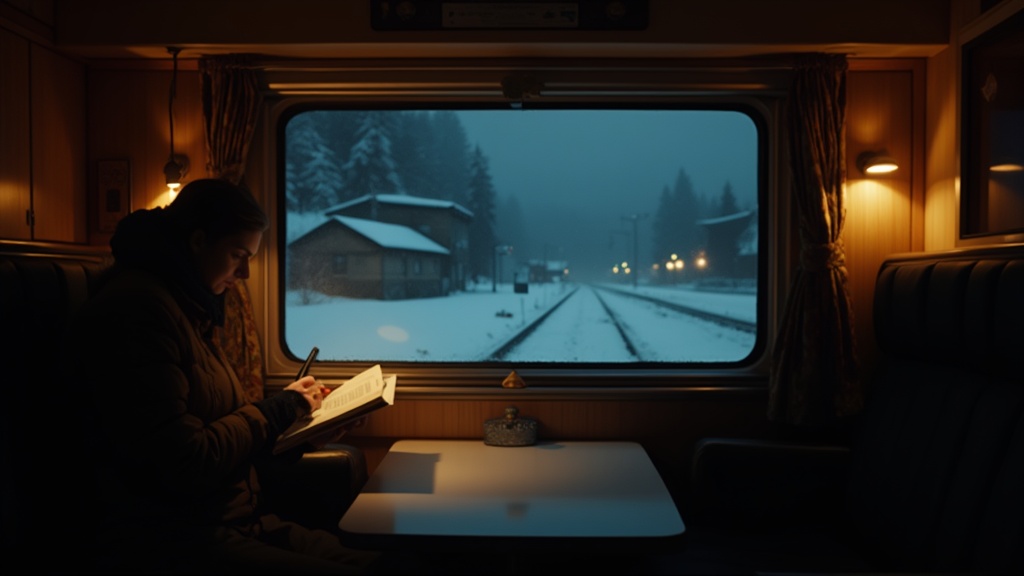
How to Book European Night Trains in 2026: A Practical Guide

Ever wondered how to hop on a sleeper train from Paris to Berlin without a headache? In 2026, Europe’s night‑train renaissance is finally taking off, but the booking landscape feels like a maze of new operators and shifting timetables.
In this guide I’ll walk you through the whole process — from spotting the fresh routes to securing a cabin, and even what to pack for a midnight adventure. By the end you’ll be ready to book your own night‑train escape with confidence.
What new night‑train routes are launching in 2026?
European Sleeper announced three brand‑new corridors this spring:
- Amsterdam → Milan — a seven‑hour overnight trek through the Alps, with private sleeper cabins and a small shower. (See our 7 Scenic European Train Journeys for a broader look at the continent’s rail magic.)
- Paris → Berlin — a classic connection revived with upgraded rolling stock and Wi‑Fi.
- Vienna → Budapest → Sofia — a multi‑city sleeper that lets you wake up in three capitals.
All three routes appear on the Euronews roundup and are listed on the Eurail night‑train page. For a quick visual, check out the Night‑Train Map 2026 — it highlights every active sleeper line, including the fresh additions.
How do I find the best tickets without overpaying?
Booking night trains used to be a two‑step process: first find the timetable on a national rail site, then hunt for a separate reservation portal. In 2026 most operators have consolidated that into a single “booking window” on their own websites. Here’s the hierarchy:
- Official operator portals — European Sleeper, Nightjet, and SNCF’s Intercités de Nuit now host a unified calendar.
- Eurail Pass holders — you can reserve seats directly through the Eurail app; the reservation fee is usually €10‑€15 per cabin.
- Aggregators — platforms like The Traveler compare prices and show promotional codes.
Tip: book at least three weeks ahead for the private cabins. The Night Ride blog notes that last‑minute cabins fill up within days of the departure date.
Which cabin type should I choose for comfort and budget?
Night‑train operators now offer three basic categories:
- Open‑plan couchette — a bench with three bunks; ideal for solo travelers on a shoestring (€30‑€45).
- Soft‑sleeper compartment — two‑person cabins with a small table and fresh linens (€70‑€110).
- Private sleeper suite — a lockable room with a washroom (if available) and sometimes a small shower; the most comfortable option (€150‑€250).
My personal favorite for long hauls is the soft‑sleeper: it gives you privacy without the premium price, and the attendant usually provides a welcome tea.
What should I pack for a night‑train journey?
Because you’ll be sleeping in a moving carriage, the packing list is a bit different from a typical day‑trip:
- Noise‑cancelling headphones or earplugs — even quiet cabins can echo.
- Travel pillow — the built‑in cushions are thin.
- Light‑weight blanket — cabins can get chilly, especially in Alpine tunnels.
- Reusable water bottle — many trains have a small kitchenette; refill before boarding.
- Entertainment — a paperback, offline podcast, or sketchbook (I always bring a Moleskine to doodle the passing scenery).
Remember the night‑bus etiquette rule: keep lights low and conversations soft to respect fellow sleepers.
How do I handle reservations and seat assignments?
Once you’ve chosen a cabin, you’ll receive a reservation code (usually a six‑digit number). Keep it on your phone and print a copy — conductors still check paper tickets on some routes. If you need to change dates, most operators allow a free alteration up to 48 hours before departure, but you’ll lose the original cabin class if you wait longer.
What are the environmental benefits of night trains?
Traveling overnight reduces the need for a separate night‑hotel stay, cutting carbon emissions by up to 30 % compared to a flight‑plus‑hotel combo (source: European Environment Agency, 2025). If you’re aiming for a low‑impact itinerary, night trains are one of the most sustainable choices.
Takeaway: Your quick‑start checklist
- Check the Night‑Train Map 2026 for active routes.
- Pick your cabin class based on budget and comfort.
- Book at least three weeks ahead via the operator’s official portal.
- Pack earplugs, a pillow, and a lightweight blanket.
- Print or screenshot your reservation code before boarding.
With those steps in hand, you’re ready to glide across Europe’s night‑time rails and wake up in a new city, refreshed and ready to explore.
Related Reading
- 7 Scenic European Train Journeys You Shouldn’t Miss in 2026 — a deeper dive into the most picturesque rail routes across the continent.
- Embracing the Green: Sustainable Practices for St. Patrick’s Day — ideas for lowering your travel footprint, useful for any train adventure.
- The Invisible Fixers: Who Actually Navigates Your Adventure — a look at the behind‑the‑scenes people who make smooth journeys possible.
Steps
- 1
Find the route and cabin class
Visit the official operator portal, locate the 2026 night‑train map, and decide whether you want an open‑plan couchette, soft‑sleeper, or private suite.
- 2
Reserve and confirm your ticket
Enter your travel dates, select the cabin, pay the reservation fee (typically €10‑€15 for Eurail holders), and save the six‑digit reservation code.