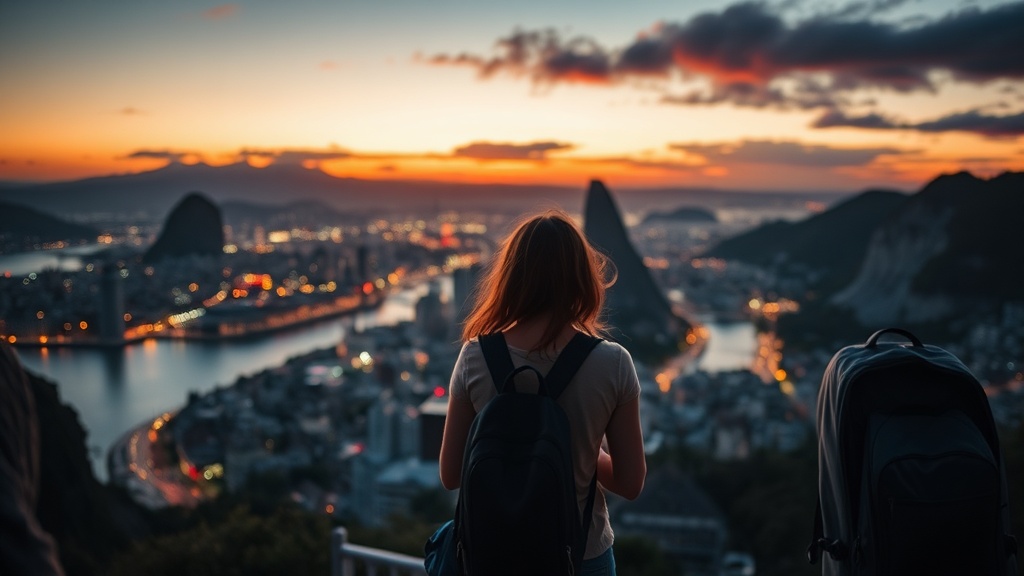
How to Plan Your First Solo Trip: A Complete Beginner's Guide

What Are the Best Destinations for First-Time Solo Travelers?
Portugal, Japan, and Vietnam offer the ideal combination of accessible infrastructure, genuine affordability, and cultural openness to lone visitors. The key isn't picking the "easiest" place—it's finding somewhere that matches existing comfort zones while stretching them slightly.
Portugal's Algarve coast and Lisbon's Alfama district reward aimless wandering. Hostels like Home Lisbon Hostel organize family-style dinners where guests cook together, breaking isolation without forced socializing. The country's compact size means a morning train can deposit you in Porto by lunchtime, wine country by evening.
Japan operates on different rhythms—convenience stores (konbini) open 24 hours, train systems run with obsessive precision, and solo dining at counter restaurants isn't merely accepted, it's the norm. A single traveler at a Tokyo izakaya receives the same attention as any group. The language barrier exists but rarely obstructs; gestures and patience bridge most gaps.
Vietnam's Hoi An and Da Nang balance tourism infrastructure with authentic daily life. Morning coffee on An Bang Beach costs less than a Starbucks latte. The country's motorbike culture means you're rarely isolated—there's always someone nearby willing to help decipher a map or recommend a bánh cuốn stall.
That said, starting small isn't failure. A long weekend in Montreal or a week in Ireland builds muscle memory for more ambitious journeys later. The goal is momentum, not maximum difficulty on day one.
| Destination | Daily Budget (USD) | Language Barrier | Best For |
|---|---|---|---|
| Portugal | $60-90 | Low (English widely spoken) | First-timers wanting European culture without Paris prices |
| Japan | $80-120 | Moderate (signage in English, limited conversational English) | Solo dining culture, safety, efficient transport |
| Vietnam | $25-45 | Moderate (English in tourist areas, less elsewhere) | Budget stretching, street food, coastal towns |
| Mexico City | $40-70 | Low-Moderate | North Americans testing solo waters, food scene, museums |
How Can You Stay Safe Without Becoming Paranoid?
Safety for solo travelers isn't about avoiding risk entirely—it's about reducing vulnerability without constructing barriers between yourself and genuine experience. Preparation matters more than suspicion.
The foundation starts before departure. Register with your country's embassy through the Smart Traveler Enrollment Program (STEP) if traveling from the United States. Scan passport and insurance documents to cloud storage. Research local scams specific to your destination—Rome's bracelet sellers, Bangkok's tuk-tuk gem tours, Barcelona's pickpocket techniques.
The practical reality shifts by context. In Tokyo, safety concerns rarely extend beyond catching the last train. In parts of Latin America or Southeast Asia, the calculus changes—avoiding unlicensed taxis, not displaying expensive cameras, and varying daily routines become prudent rather than fearful.
Here's the thing: most dangers are mundane. Dehydration in Lisbon's August heat sends more travelers to clinics than crime ever does. A portable door lock like the Addalock costs $17 and provides security in any accommodation. Sharing your live location through Google Maps with one trusted contact takes thirty seconds. These preparations free mental bandwidth for actual travel rather than vague anxiety.
Worth noting: solo female travelers face additional considerations that deserve honest acknowledgment. Researching cultural norms around dress and behavior, booking accommodations with 24-hour reception, and trusting gut instincts about situations aren't restrictive—they're tools for extended, independent exploration. JourneyWoman maintains updated safety reports by destination written by and for women traveling alone.
How Do You Meet People Without Forcing It?
Structured activities and communal accommodations bridge the gap between solitude and connection without the awkwardness of manufactured socializing. The paradox of solo travel is that you're rarely actually alone unless you choose to be.
Hostels remain the classic solution—not the party hostels of twenty-something mythology, but properties like Selina or independent guesthouses organizing walking tours and cooking classes. The key is selecting places with communal kitchens or rooftop spaces rather than bars. Cooking together creates natural conversation; drinking together often creates noise.
In cities, free walking tours create openings without obligation. Sandemans New Europe operates in most major European cities, while local equivalents exist worldwide. These tours attract solo travelers by design—you'll spot them immediately, guidebooks in hand, waiting for the same departure time.
Food builds bridges faster than anything. Taking a class at Hoi An's Red Bridge Cooking School or Bangkok's Blue Elephant involves hours of shared chopping and stirring. Sitting at sushi counters in Tokyo or tapas bars in Seville puts you adjacent to regulars who often interpret curiosity as respect rather than intrusion. The conversation might be halting. That's part of it.
Digital tools help when energy wanes. Meetup.com lists hiking groups, language exchanges, and photography walks. The Couchsurfing app offers "hangouts" for coffee even without staying with hosts. Facebook groups post real-time meetups. These aren't crutches—they're simply modern versions of hostel bulletin boards.
What's a Realistic Budget for Solo Travel?
Plan for $75-150 daily in most destinations, with Southeast Asia at the lower end and Western Europe requiring the higher range. Solo travel eliminates splitting costs but introduces complete control over spending priorities.
Accommodation typically consumes 40-50% of budgets. In Lisbon, private rooms in well-reviewed hostels run €40-60; mid-range hotels start at €90. Tokyo's capsule hotels offer privacy at ¥4,000-6,000 nightly (roughly $27-40), while business hotel chains like Toyoko Inn provide reliability without luxury. Southeast Asia delivers private bungalows for $15-25 in most beach towns—places like Life Beach Villa in Mui Ne or Seahorse Resort in Phú Quốc.
Food costs vary by approach. Japan's konbini meals cost ¥500-800 ($3.50-5.50); proper ramen lunches run ¥1,000-1,500. Vietnam's street food operates on different economics—bánh mì sandwiches cost 25,000-40,000 VND (roughly $1-1.50), and set meals at local cơm bình dân shops rarely exceed 50,000 VND ($2). Portugal's tascas offer daily specials for €8-12 including house wine.
Transportation demands advance calculation. Japan Rail Passes require honest math—worthwhile for extensive travel, wasteful for concentrated regional exploration. Europe's FlixBus network connects cities for fractions of train costs, albeit with time penalties. Budget airlines like Ryanair or EasyJet work beautifully with strict adherence to baggage rules; deviation triggers punitive fees that destroy savings.
The catch? Solo travel allows precise allocation. Splurge on a kaiseki dinner in Kyoto while eating konbini breakfast. Prioritize a private room after weeks in dorms. The budget flexes to personal preference rather than group compromise—an unexpected luxury that offsets the lack of bill-splitting.
"The best journeys answer questions that in the beginning, you didn't even think to ask." — This holds especially true when there's no one else's agenda to consider.
Traveling alone means missing the inside joke, the shared glance at the absurd, the division of navigational labor. It also means standing in a Lisbon miradouro at sunset without consulting anyone about dinner plans, or changing course because a local mentioned a fishing village that wasn't in any guidebook. The trade isn't better or worse—it's simply different. And for many, it's the first time they've heard their own preferences clearly, unfiltered through the expectations of companions.
Steps
- 1
Choose a Solo-Friendly Destination
- 2
Plan Your Itinerary and Accommodations
- 3
Prepare for Safety and Emergencies