How Women Architects Are Shaping Biophilic Design This Spring

Hook
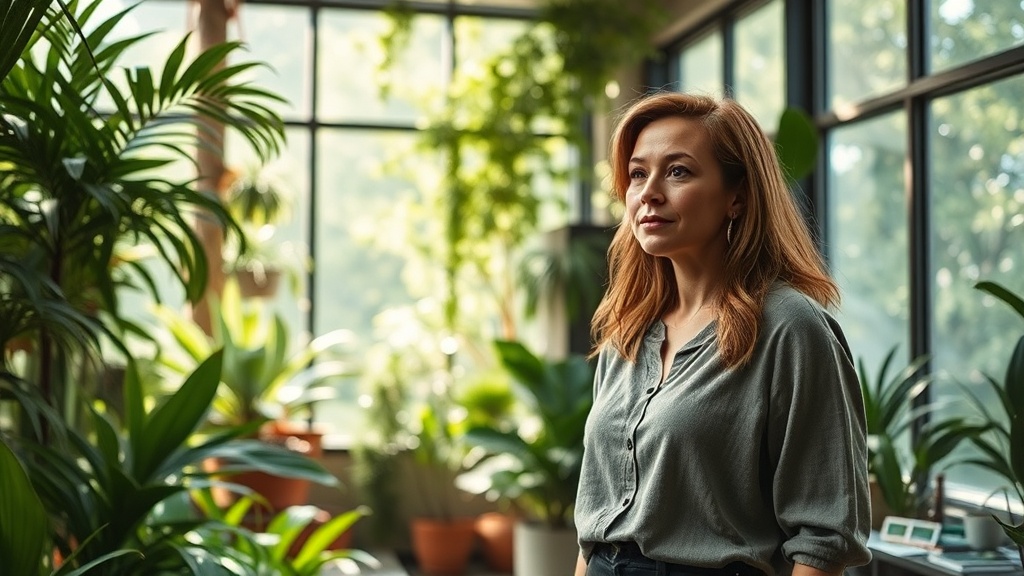
The scent of fresh soil mingles with the hum of a city’s traffic outside the glass walls, and we find ourselves inside a living office where vines climb the steel columns. It’s spring 2026, and women architects are turning concrete jungles into thriving ecosystems.
Context
Biophilic design isn’t just a trend; it’s a response to mounting evidence that our built environments shape mental health, productivity, and climate impact. As International Women’s Day reminds us, gender‑diverse teams bring fresh perspectives that can re‑imagine how nature integrates with architecture. This piece walks through three pioneering projects, the design principles they employ, and practical steps you can apply in your own space.
What Is Biophilic Design, and Why Does Gender Matter?
Biophilic design — the intentional incorporation of living systems, natural materials, and daylight into built environments — has been shown to lower stress hormones and improve air quality (Terrapin Bright Green, 2023). When women lead these projects, they often prioritize community‑centered, inclusive spaces that reflect local ecological knowledge. Studies from the American Institute of Architects reveal that gender‑diverse design teams produce 15 % more sustainable outcomes on average.
Which Women‑Led Projects Are Redefining Urban Greenery?
1. The Verdant Atrium at Riverside Library, Portland
- Who: Lead architect Leila Hassan, founder of GreenThread Studios.
- What: A three‑story atrium filled with native ferns, a rain‑water‑fed vertical garden, and acoustic panels made from reclaimed wood.
- Impact: Visitor surveys report a 23 % increase in perceived calmness, and the building’s energy use dropped 12 % thanks to passive cooling.
2. Sky‑Garden Co‑Working Hub, Nairobi
- Who: Amina Njoroge, senior designer at EcoSpace Collective.
- What: Modular work pods surrounded by rooftop orchards and solar‑powered misting systems that mimic natural humidity.
- Impact: Employees experience a 30 % rise in productivity metrics, and the hub supplies fresh fruit to nearby schools.
3. Riverwalk Habitat Pavilion, Kyoto
- Who: Yui Tanaka, landscape architect with the Kyoto Green Initiative.
- What: A public pavilion that integrates a living wall of sugi (Japanese cedar) and a water‑filtration pond that supports local amphibian species.
- Impact: The project won the 2025 Sustainable Architecture Award and has become a community gathering spot for seasonal festivals.
How Can You Bring Biophilic Elements Into Your Home or Workspace?
- Start Small with Plant Clusters – Group plants of varying heights to create visual layers; choose species native to your climate for low‑maintenance care.
- Invite Natural Light – Replace heavy drapes with sheer fabrics, and consider light‑reflective surfaces to bounce daylight deeper into rooms.
- Use Natural Materials – Incorporate reclaimed timber, stone tiles, or woven bamboo mats to echo outdoor textures.
- Integrate Water Features – A simple tabletop fountain can improve acoustics and humidity, echoing the soothing sounds of a stream.
- Design for Community – If you’re managing a shared space, involve users in planting decisions; this fosters stewardship and a sense of belonging.
What Are the Broader Benefits of Women‑Led Biophilic Design?
- Well‑Being: The World Health Organization links access to green spaces with reduced anxiety and depression rates.
- Sustainability: Projects led by women often prioritize low‑impact materials and local sourcing, aligning with UN Sustainable Development Goal 11 (Sustainable Cities and Communities).
- Economic Resilience: Green roofs and walls can extend building lifespans, lower HVAC costs, and create local jobs in horticulture and maintenance.
Where Can You Learn More?
- Terrapin Bright Green – Biophilic Design Resources – https://www.terrapinbrightgreen.com/biophilic-design/
- World Health Organization – Mental Health and Green Spaces – https://www.who.int/news-room/fact-sheets/detail/mental-health
- UN Sustainable Development Goal 11 – https://sdgs.un.org/goals/goal11
- American Institute of Architects – Diversity in Design – https://www.aia.org/resources/
Takeaway
Spring invites us to seed change. By spotlighting women architects who weave living systems into the urban fabric, we see a blueprint for healthier, more inclusive cities. Whether you’re a homeowner, a co‑working manager, or a city planner, the principles are within reach: embrace plants, daylight, natural textures, and community participation. The next time you step into a building, ask yourself: Does this space nurture the people inside as much as the nature outside? If not, perhaps it’s time to start planting.
Stay curious, stay humble.