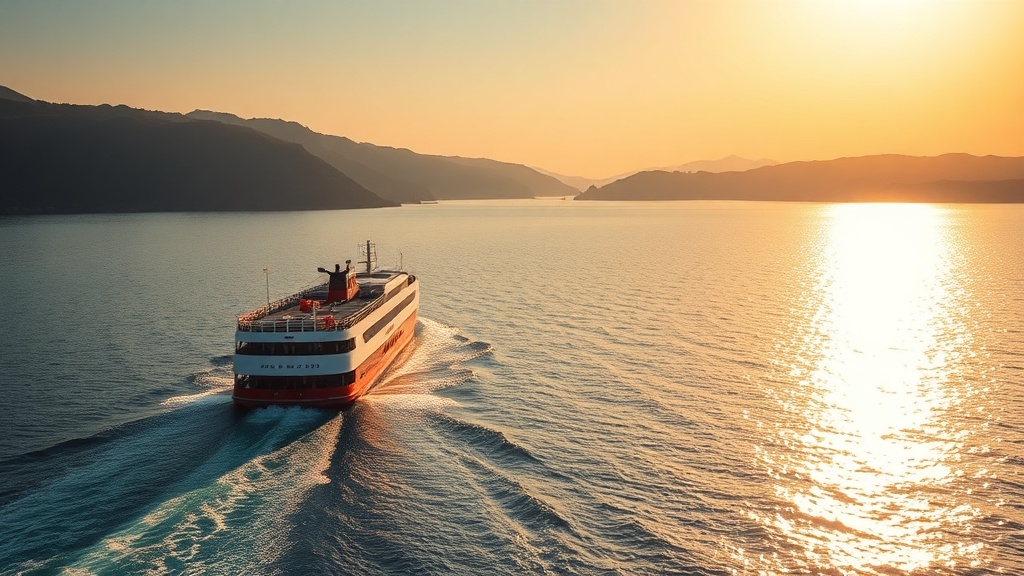
Sailing the Aegean through Greek Island Ferry Routes

Many people assume that traveling between Greek islands requires a private yacht or a high-priced sailing charter to experience the Aegean properly. That's a mistake. The reality of Greek maritime travel is built on a backbone of massive, reliable commercial ferries that connect even the most remote outposts to the mainland. This guide breaks down the actual mechanics of the Greek ferry system, the different routes through the Cyclades and the Dodecanese, and how to time your movements to avoid the chaos of peak season.
How Do Greek Island Ferry Routes Work?
Greek ferry routes are generally divided into regional clusters that depart from specific hubs like Piraeus or Rafina. You don't just wander the sea; you follow established lanes that connect major ports to smaller, secondary islands. The Aegean is vast, and the routes are designed to serve both tourists and the locals who rely on these vessels for basic supplies.
There are two main types of vessels you'll encounter. First, the large, slow-moving conventional ferries—think of brands like Blue Star Ferries—which act like floating apartment buildings. They are stable, predictable, and great if you have a lot of luggage. Then, there are the high-speed catamarans, often operated by companies like Seajets. These are much faster but can be notoriously sensitive to the Meltemi winds (those strong, dry north winds that blow through the Aegean in summer). If the wind picks up, the fast boats are the first to be canceled.
If you want to see how these routes are mapped out officially, you can check the Hellenic Coast Guard updates for any maritime-related notices. It's a good habit to check these during your trip. It's not uncommon for a schedule to shift due to weather.
The Major Regional Hubs
The Aegean isn't one single loop. It's a series of interconnected webs. Understanding which hub you are starting from determines your entire itinerary.
- The Cyclades Hub: Most journeys begin in Piraeus (Athens). This is the gateway to Santorini, Mykonos, and Naxos. It's the most heavily trafficked route in the country.
- The Dodecanese Hub: Rhodes is the primary anchor here. This route is much more rugged and often serves as a bridge toward the Turkish coast.
- The Ionian Route: This is a different beast entirely, connecting the mainland to islands like Corfu and Kefalonia. It's less about the "white and blue" aesthetic and more about lush greenery and deep-water ports.
What Is the Best Way to Book Ferries?
Booking your tickets online through official aggregators or direct company websites is the most reliable method. While it's tempting to wait until you arrive at the port to see what's available, that's a gamble you shouldn't take during July or August. The most popular routes sell out, or at least the best seating options do.
I've found that using a service like Ferryhopper is a solid way to compare speeds and prices in one place. It's easy to use. However, always double-check the departure port. A ferry might be listed for Piraeus, but it might actually depart from Rafina, which is a much shorter trip from central Athens. That small distinction can save you a lot of stress.
| Ferry Type | Speed | Comfort Level | Best For |
|---|---|---|---|
| Conventional Ferry | Slow (2-5 hours) | High (Cabins/Lounges) | Budget travelers & heavy luggage |
| High-Speed Catamaran | Fast (1-3 hours) | Moderate (Single deck) | Time-sensitive travelers |
| Small Local Boat | Variable | Low (Basic seating) | Reaching tiny, uninhabited islets |
Don't forget that if you're traveling with a rental car or a motorbike, you must book a vehicle space specifically. You can't just roll up with a car and hope for the best. The car deck space is limited and strictly managed.
How Much Do Greek Ferries Cost?
Prices vary wildly based on the distance traveled and the speed of the vessel, but you can generally expect to pay between €20 and €60 for a standard one-way ticket between major islands. A short hop between nearby islands might only cost you €15, while a long trek from Athens to Santorini on a high-speed vessel will certainly hit the higher end of the scale.
The real cost isn't always the ticket. It's the "hidden" expenses of transit. If you miss a connection because a previous ferry was delayed, you might find yourself stuck in a port town for an extra night. This is where a digital detox strategy becomes useful—not because you're avoiding tech, but because you need to be present and observant of the local rhythm rather than staring at a delayed flight board. (I've spent many an afternoon watching the sunset in a port town because a boat didn't show up, and honestly, it's not the worst way to spend a Tuesday.)
For more detailed information on maritime regulations and passenger rights, the Wikipedia page on Greek ferries provides a decent historical and technical overview of how these systems evolved. It's a deep dive, but it helps to understand the scale of what you're using.
Practical Tips for the Port Experience
Ports in Greece are loud, chaotic, and highly sensory. There is no way to make them "quiet." You'll hear the heavy diesel engines, the shouting of deckhands, and the constant movement of heavy machinery. It's a working environment, not a lounge.
- Arrive early: Even if you have a digital ticket, the process of finding your gate and loading your luggage can take an hour.
- Watch the weather: If you see dark clouds or high winds, check the Meltemi forecast. High winds are the primary reason for cancellations.
- Bring snacks: The food on board is often basic—think pre-packaged sandwiches or simple Greek salads. It's fine, but don't expect a gourmet meal.
- Identify your boat: Look for the name of the vessel on the side of the hull. There are often multiple boats departing at the same time.
I once watched a man in Mykonos spend forty minutes meticulously organizing his way of life into a single duffel bag before boarding a ferry. He wasn't rushing. He was simply preparing. There's a lesson in that. The ferry system isn't a race; it's a rhythm. If you try to outrun the rhythm, you'll end up frustrated. If you move with it, you'll find the transit is part of the experience, not just a means to an end.
If you find yourself with a long layover in a port like Naxos or Paros, don't head straight to the terminal. Find a small cafe near the water. Watch the way the sailors unload the crates of produce and the crates of local wine. There is a specific, quiet efficiency to these movements that most travelers miss because they're too busy checking their watches.
The sea is the only thing that dictates the schedule here. Respect that. If a boat is late, it's usually because the sea had other plans. It's a good time to practice a bit of remote island life and just be still for a while.