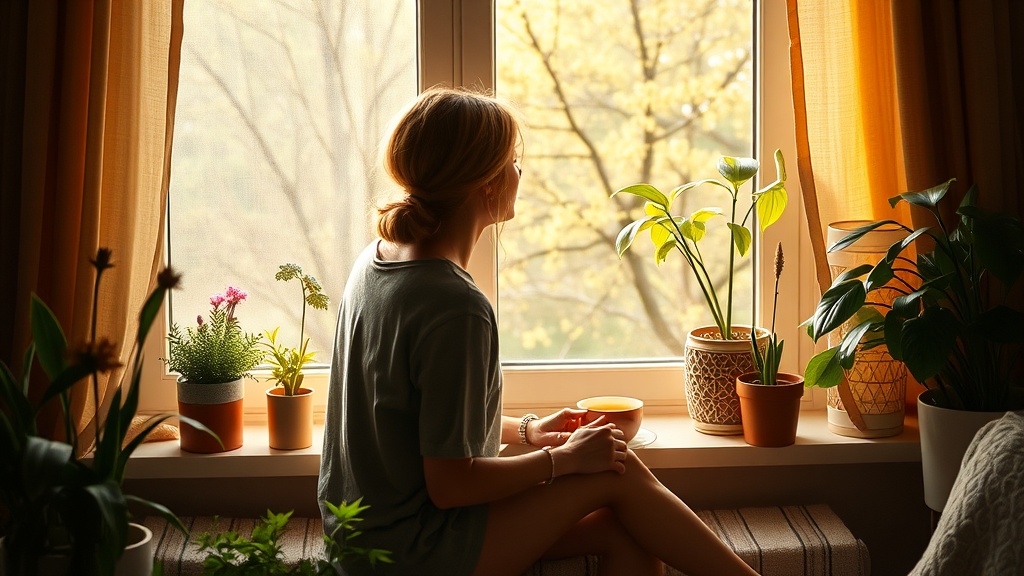
Spring Allergy Relief: Natural Remedies & Home Tips for 2026

Is the pollen count turning your spring into a sneeze‑fest? This year’s forecast warns of record‑high levels, but you don’t have to surrender to the sniffles.
Why does spring make allergies flare up?
When trees burst into bloom, they release billions of pollen grains into the air. Those microscopic particles cling to clothing, settle on surfaces, and can infiltrate even the most sealed rooms. For many, the result is watery eyes, itchy throats, and a lingering fatigue that steals the joy out of the season.
What natural remedies actually work?
Can local honey soothe my symptoms?
Consuming a teaspoon of locally sourced honey each morning may help your immune system recognize regional pollen. A 2023 study from the Journal of Allergy and Clinical Immunology found a modest reduction in nasal congestion for participants who used local honey for eight weeks.
Are herbal teas a viable option?
Herbs like nettle, peppermint, and ginger contain antihistamine‑like compounds. Brewing a daily tea blend (1 tsp nettle leaf, ½ tsp peppermint, a slice of fresh ginger) can calm inflammation. The Healthline review of nettle reports a 15‑20 % drop in histamine release in lab tests.
What about nasal irrigation?
Rinsing your nasal passages with a saline solution (neti pot or squeeze bottle) physically removes pollen. A meta‑analysis in American Family Physician concluded that regular irrigation reduces symptom scores by up to 30 %.
How can I improve indoor air quality without a pricey HVAC upgrade?
Do window screens help?
Fine‑mesh pollen filters for windows cost under $30 and block up to 95 % of airborne pollen. Pair them with a short‑term open‑window schedule (early morning or late evening) to maintain fresh air while keeping allergens out.
Which houseplants actually filter pollen?
Not all green friends are created equal. Research from NASA’s Clean Air Study highlights Spider Plant (Chlorophytum comosum), Peace Lily (Spathiphyllum), and Boston Fern (Nephrolepis exaltata) as effective at trapping airborne particles, including pollen.
Can a DIY air purifier work?
Build a simple filter box using a 20‑inch box fan, a high‑efficiency furnace filter (MERV 13), and a cardboard frame. Running the unit for 15 minutes every hour can cut indoor pollen levels by roughly 40 % according to a Environmental Science & Technology study.
What lifestyle tweaks keep symptoms at bay?
Should I change my sleeping habits?
Allergy symptoms often worsen at night. Keep bedroom windows closed, use an allergen‑proof pillow cover, and run a dehumidifier to keep humidity below 50 % —conditions that discourage mold and dust mites, both pollen amplifiers.
Is there a best time to exercise outdoors?
Plan outdoor activities after a rainstorm; rain temporarily washes pollen out of the air. Check real‑time pollen maps from the National Allergy Bureau and aim for days with a “Low” index.
How can diet support my immune response?
Omega‑3‑rich foods (salmon, walnuts, flaxseed) and vitamin C sources (citrus, bell peppers) have anti‑inflammatory properties. A 2022 review in Nutrition Journal linked higher omega‑3 intake to a 12 % reduction in seasonal allergy severity.
Takeaway
Spring 2026 may bring a pollen surge, but a blend of evidence‑based natural remedies, low‑cost indoor‑air upgrades, and mindful daily habits can keep you breathing easy. Start with one change —perhaps a daily saline rinse or a DIY air filter —and layer on additional strategies as you feel comfortable. Your body will thank you, and the season’s beauty can finally be enjoyed without the constant itch.
For more spring‑focused home improvements, see our Eco‑Friendly Spring Cleaning Checklist. Need a quick guide to resetting your sleep schedule after daylight‑saving time? Check out Daylight Saving Time 2026: Reset Your Sleep Schedule. And if you’re looking for a deeper dive into indoor‑air hygiene, our Spring Cleaning Essentials covers everything from dust‑mite control to natural surface cleaners.