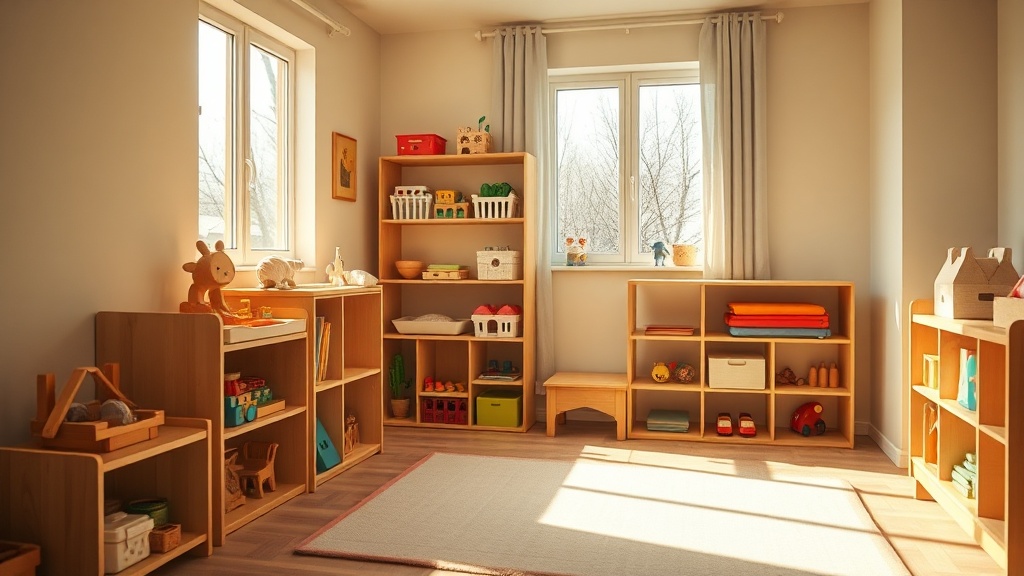
Spring Refresh: Toy Rotation for Playful Learning

Spring Toy Rotation: Science of Playful Learning
Hook
Ever watched a child stare at a shelf of toys and wonder why they seem bored? The answer often lies not in the toys themselves but in how we present them.
Context
Spring brings fresh energy, longer days, and a natural urge to declutter. For families, it’s the perfect moment to rethink play spaces. By rotating toys, you can turn a simple shelf into a dynamic learning laboratory that nurtures motor skills, creativity, and curiosity.
What Is Toy Rotation and Why Does It Matter?
Toy rotation is the practice of regularly swapping a subset of a child’s toys while storing the rest out of sight. The goal is to keep the play environment novel without constantly buying new items. Research shows that novelty stimulates neural pathways linked to problem‑solving and fine‑motor development.
"Children learn best when they’re faced with a manageable amount of novelty that invites exploration rather than overwhelm." — Harvard Center on the Developing Child
How Does Rotating Toys Boost Motor Skill Growth?
- Focused Attention – A smaller selection reduces visual overload, allowing kids to concentrate on manipulating each piece.
- Repetition with Variation – When a toy returns after a pause, the child approaches it with fresh eyes, encouraging new ways of handling and mastering the object.
- Fine‑Motor Challenges – Rotated items often include puzzles, building blocks, or manipulatives that require pinching, stacking, and threading—key actions for hand‑eye coordination.
What Are the Best Practices for a Spring Toy Rotation?
How Often Should You Rotate?
The sweet spot is every 2‑3 weeks during spring when daylight hours increase. This cadence aligns with the natural rhythm of growth spurts in children aged 2‑6.
Which Toys Should Lead the Rotation?
- Open‑ended Play: wooden blocks, fabric scarves, simple musical instruments.
- Sensory Exploration: textured balls, water tables, kinetic sand.
- Motor‑Focused Tools: tweezers, lacing beads, peg boards.
How to Store the “Off‑Shelf” Toys?
Use clear bins labeled by theme (e.g., "building," "sensory," "creative"). Store them in a cool, dry area—perhaps the spare closet you cleaned during your Eco‑Friendly Spring Cleaning Checklist.
How Can Parents Make the Rotation Fun?
- Storytelling: Introduce the new set as a “spring treasure chest” you discovered on a walk.
- Mini‑Exhibits: Arrange a tiny gallery where the child can showcase a favorite creation.
- Reflection Time: After each rotation, ask, “What was your favorite part of playing with these toys?” This encourages language development and self‑awareness.
What Are Common Pitfalls and How to Avoid Them?
- Over‑Rotating: Changing toys daily can create anxiety. Stick to a predictable schedule.
- Neglecting Safety: Review stored toys for wear and tear before re‑introducing them.
- Ignoring Child Preferences: Let your child help choose the rotation set; ownership boosts engagement.
Takeaway
Spring isn’t just about fresh air and blooming flowers—it’s a chance to refresh the way children learn through play. By rotating toys thoughtfully, you nurture motor skills, spark curiosity, and keep the home environment vibrant without extra spending. Try a two‑week cycle this season, and watch the ordinary become extraordinary.
Related Reading
- Quiet European Towns to Visit This Spring: 5 Authentic Spots – Perfect for a family weekend getaway after a play session.
- Daylight Saving Time 2026: Reset Your Sleep Schedule for a Spring Refresh – Align your child’s playtime with natural light for optimal development.
- Spring Wardrobe Refresh: Capsule Closet with Sustainable Fabrics – Pair a tidy play area with a fresh look for the whole family.
FAQ
What is the best frequency for rotating toys in spring?
Aim for a 2‑3 week interval, which balances novelty with familiarity and matches children’s developmental rhythms.
Can toy rotation improve my child’s fine‑motor skills?
Yes. By presenting new manipulatives regularly, you encourage repeated practice of pinching, grasping, and coordinating hand movements.
Do I need to buy new toys for each rotation?
No. Rotate existing items and supplement occasionally with inexpensive, open‑ended pieces—think cardboard tubes, fabric scraps, or natural objects like pinecones.
Julian Voss, founder of Global Glimpses