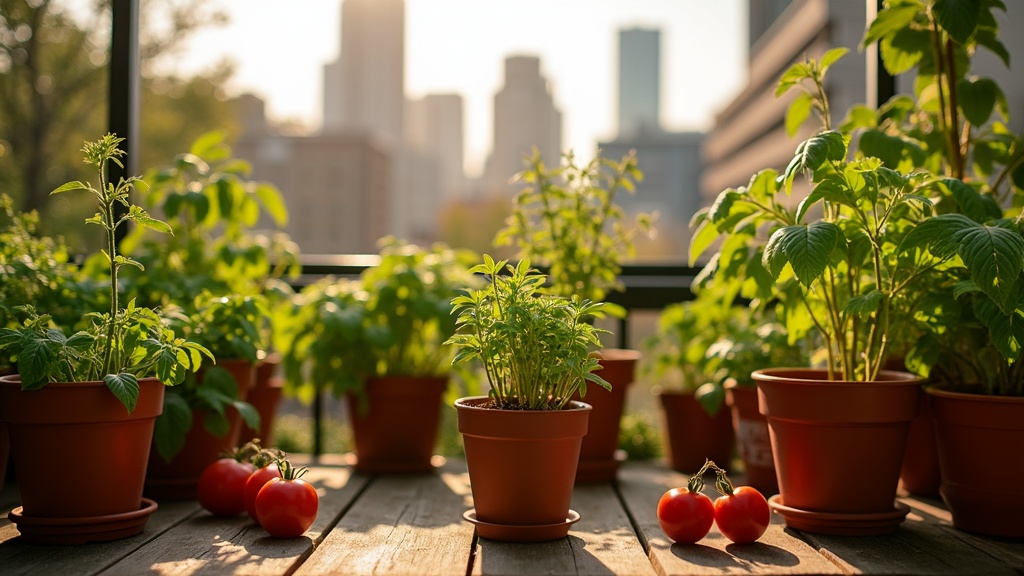
Spring Urban Gardening: Small‑Space Herbs & Veggies Guide

Can a tiny balcony become a spring garden sanctuary?
Ever stared out at a cramped city balcony and wondered if you could coax fresh herbs or even a few veggies out of that concrete jungle? The answer is a resounding yes — and the timing couldn't be better. As daylight stretches and temperatures climb, spring offers the perfect window to transform even the smallest outdoor nook into a thriving, edible oasis.
Why urban gardening matters now
Beyond the obvious joy of snipping home‑grown basil into a pastel‑colored Easter salad, small‑space gardening aligns with a growing desire for sustainable living. It reduces food miles, cuts grocery bills, and gives you a daily reminder of nature’s resilience in the heart of the city. Plus, it’s a quiet, meditative practice that fits neatly between the hustle of urban life.
What containers work best for balconies and windowsills?
Answer: Choose lightweight, breathable pots that fit your space and allow for good drainage. Terracotta pots are classic but can be heavy; fabric grow bags or recycled plastic containers are lighter alternatives.
- Size matters: Aim for at least 6–8 inches deep for most herbs; tomatoes need 12–14 inches.
- Drainage: Drill holes in the bottom and add a layer of gravel before soil.
- Mobility: Consider stackable or rolling trays so you can reposition for optimal sun.
Tip: I keep a set of fold‑able wooden trays on my Montreal balcony; they slide under the rail when the wind picks up, keeping the plants safe.
How much light do my plants really need?
Most herbs and leafy greens thrive with 4–6 hours of direct sunlight. Position south‑facing windows or balconies to catch the morning sun. If your space is shadier, opt for shade‑tolerant varieties like mint, parsley, and lettuce.
- Measure light: Use a simple smartphone light‑meter app to gauge daily exposure.
- Supplement: A compact LED grow light (5–10 W) can fill gaps on overcast days.
Which soil mix gives the best results in containers?
A high‑quality potting mix is essential; garden soil stays too dense and holds excess moisture.
- Recipe: 1 part peat‑free compost, 1 part perlite or vermiculite, 1 part coconut coir.
- Nutrients: Mix in a slow‑release organic fertilizer (e.g., 4–6 lb per 50 gal) at planting time.
- pH: Aim for 6.0–6.5 for most herbs.
What are the low‑maintenance plants that actually flourish in small urban settings?
| Plant | Light | Water | Harvest Time |
|---|---|---|---|
| Basil | Full sun (6 h) | Keep soil moist | 60–90 days |
| Chives | Partial sun | Drought‑tolerant | 45–60 days |
| Cherry tomatoes (dwarf) | Full sun | Consistent moisture | 70–85 days |
| Radishes | Partial sun | Light watering | 25–30 days |
| Mint | Shade‑tolerant | Keep damp | Year‑round |
| Arugula | Partial sun | Light watering | 30–40 days |
Pro tip: Plant fast‑growing radishes alongside slower tomatoes. The radishes mature first, keeping the soil loose for the tomato roots.
How do I keep my balcony garden sustainable?
- Rainwater catch: Use a small barrel or repurpose a bucket to collect runoff for watering.
- Compost scraps: A kitchen‑size compost tumbler can turn vegetable peelings into nutrient‑rich soil amendment.
- Reuse containers: Upcycle old tins, wooden crates, or even coffee cups for seed starting.
When should I start planting for a spring harvest?
- Early March: Start sowing seeds indoors (basil, tomatoes) under grow lights.
- Mid‑April: Transplant seedlings to the balcony once night temps stay above 10 °C (50 °F).
- Late April‑early May: Direct‑sow hardy greens like lettuce, spinach, and radishes.
What’s the best way to protect my garden from city wind?
- Windbreaks: Place a lightweight trellis or bamboo screen on the windward side.
- Strategic placement: Tuck pots behind railings or balcony walls.
- Mulch: A thin layer of straw or shredded bark reduces soil erosion.
Takeaway: Your spring balcony garden in five steps
- Pick the right containers — lightweight, with drainage.
- Assess sunlight — aim for 4–6 hours; supplement with LED lights if needed.
- Use a premium potting mix — peat‑free compost, perlite, coconut coir.
- Choose hardy, low‑maintenance plants — basil, mint, cherry tomatoes, radishes.
- Practice sustainable habits — rainwater, compost, recycled pots.
With these basics, you’ll be harvesting fresh herbs for your Easter brunch and savoring the satisfaction of growing food in the heart of the city. Happy planting!
Related Reading
- Eco‑Friendly Spring Cleaning Checklist — Keep your home and garden eco‑conscious.
- Daylight Saving Time 2026: Reset Your Sleep Schedule for a Spring Refresh — Optimize light exposure for plant growth.
- How to Travel Light and Mindfully During Spring Festivals — Pack a portable herb kit for travel.
- Quiet European Towns to Visit This Spring: 5 Authentic Spots — Find inspiration for garden aesthetics abroad.