St. Patrick’s Day: Irish Traditions & Modern Global Festivities

Celebrating St. Patrick’s Day: From Irish Traditions to Modern Global Festivities
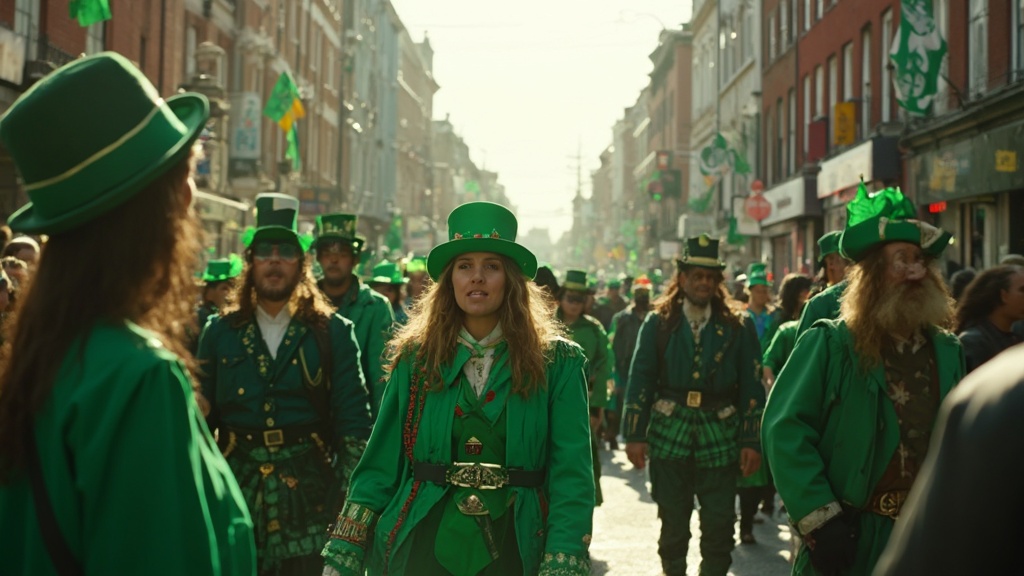
Ever wondered why a sea of green sweeps the streets of Dublin, Chicago, and even Tokyo every March? The answer is a blend of myth, history, and a dash of modern show‑manship that turns a religious feast into a worldwide party.
Why it matters: Understanding the roots of this holiday helps travelers experience it with respect, rather than just joining the selfie‑storm.
What are the origins of St. Patrick’s Day?
St. Patrick’s Day commemorates the 5th‑century missionary Saint Patrick, who is credited with bringing Christianity to Ireland. While the exact date of his death—17 March 461 AD—is recorded in the Annals of Ulster (source: Irish Historical Society), the celebration originally marked the anniversary of his death, not a “holiday” in the modern sense.
“He is remembered as the patron saint of Ireland, a man who used the three‑leaf shamrock to explain the Holy Trinity.” — History.com (2025)
For centuries, the day was a religious observance: a holy day of fasting and prayer. The first recorded public celebration was a Lenten feast in Dublin in 1631, where a St. Patrick’s Day banquet was held for the poor (source: The Irish Times archive).
How did traditional Irish celebrations look historically?
What rituals defined early Irish observances?
- Mass and prayer – The day was a mandatory holy day for Catholics, with special masses dedicated to Saint Patrick.
- The wearing of the shamrock – The plant became a symbol of Irish identity after Saint Patrick allegedly used it to illustrate the Trinity.
- Feasting after the Lenten fast – Once the church lifted the fast, families gathered for a modest meal, often featuring potatoes, soda bread, and butter.
- Parades in the diaspora – Irish emigrants in the United states began holding parades in the 18th century; the first recorded parade took place in Boston in 1762 (source: Boston Public Library).
These early customs were rooted in community, gratitude, and modest celebration, far from the neon‑lit spectacles we see today.
How have modern celebrations changed around the world?
Why is St. Patrick’s Day a global party now?
The Irish diaspora carried the tradition abroad. By the 20th century, cities with large Irish populations—New York, Chicago, and Boston—had turned the day into a public festival. In 1962, Chicago dyed its river green, a stunt that sparked a global trend of city‑wide green lighting.
Which countries have unique twists?
| Country | Unique Twist | Notable Event |
|---|---|---|
| Ireland | Traditional music sessions in pubs + massive St. Patrick’s Day Parade on O’Connell Street (≈ 500 k attendees). | Dublin Parade (2025) – BBC News |
| United States (Boston) | “Irish Heritage Festival” – 10‑day celebration of food, dance, and literature. | Boston Festival (2024) |
| Canada (Halifax) | “Green Wave” – a city‑wide bike‑ride wearing green apparel. | Halifax Green Wave (2023) |
| Japan (Tokyo) | “Shamrock Street” – a pop‑culture parade with J‑pop mash‑ups and karaoke. | Tokyo Parade (2022) |
| Australia (Sydney) | “St. Pat’s Surf‑Up” – surf competitions with green‑painted surfboards. | Sydney Surf‑Up (2024) |
The core thread is a public display of Irish symbols—green, shamrocks, Celtic music—mixed with local flavor.
What are some contemporary twists on the celebration?
How are food and drink evolving?
- Craft cocktails infused with Irish whiskey and matcha (Tokyo’s “Emerald Matcha‑Whiskey Sour”).
- Plant‑based Irish stew – a nod to sustainability, featured in Dublin’s Zero‑Waste Food Festival (2025).
- Guinness‑themed pop‑ups – e.g., Guinness & Gyoza stalls in Osaka, blending Irish stout with Japanese dumplings.
How is technology shaping the festivities?
- AR filters on Instagram that overlay Celtic knotwork onto users’ faces.
- Live‑streamed parades on platforms like YouTube and Twitch, allowing remote participation.
- Digital “green‑cameras” that turn city landmarks green via city‑wide LED installations.
How can travelers join the festivities respectfully?
What should I know before I go?
- Learn the history – Knowing why the shamrock matters shows respect.
- Dress appropriately – Green is fine, but avoid cultural appropriation (e.g., wearing traditional Irish kilts if you’re not Irish without understanding the context).
- Support local businesses – Buy a hand‑crafted Irish knit from a Dublin market stall instead of mass‑produced merch.
- Mind the pace – Parades can be crowded; keep an eye on night‑bus schedules (see our guide on Night Bus Etiquette in 2026).
- Stay safe – Public drinking is common, but keep your belongings secure and stay hydrated.
Where should I experience the most authentic vibe?
- Dublin’s Temple Bar – Despite tourist traffic, the traditional music sessions here still feel authentic.
- County Kerry – Small villages host community feasts where locals share boxty (Irish potato pancake) and Irish coffee.
- Boston’s South End – Home to family‑run Irish pubs that keep the old‑world charm alive.
Takeaway
St. Patrick’s Day has grown from a solemn religious observance into a global celebration of Irish culture, blending tradition with modern creativity. Whether you’re sipping a Guinness‑matcha cocktail in Tokyo or dancing to a Celtic fiddle in Dublin, remember the day’s roots: community, gratitude, and a shared love for the emerald hue that unites us all.
Quick tip: Arrive early to the parade, wear a green accessory, and bring a reusable cup for the local craft stout – you’ll look the part and help reduce waste.
<meta.faqs>
[
{"question": "When is St. Patrick’s Day celebrated?", "answer": "St. Patrick’s Day is observed on 17 March each year, marking the death of Saint Patrick in 461 AD."},
{"question": "What are traditional Irish foods for St. Patrick’s Day?", "answer": "Typical dishes include Irish soda bread, corned beef (more common in the U.S.), and a hearty Irish stew with lamb or beef."},
{"question": "How do different countries celebrate St. Patrick’s Day?", "answer": "While Ireland holds a historic parade, cities like Chicago dye their river green, Tokyo hosts a pop‑culture parade, and Sydney runs a surf‑up competition – each adds local flavor to the Irish tradition."},
{"question": "What should travelers wear to a St. Patrick’s Day parade?", "answer": "Green clothing is customary; avoid overly stereotypical costumes unless you understand their cultural context. A simple green shirt or scarf works well."}
]
</meta.faqs>