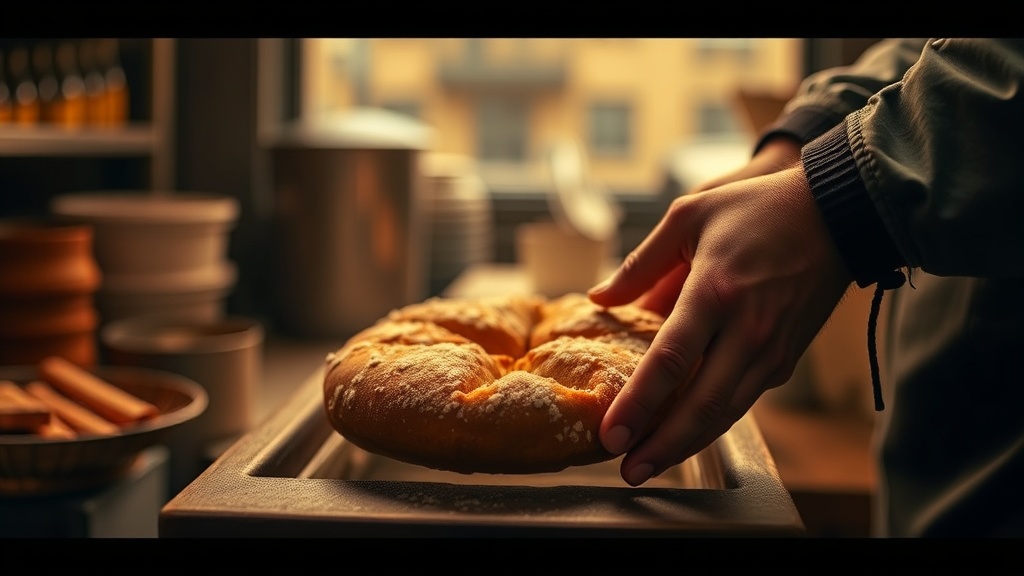
The Hands That Shape Morning: A Bakery Before the City Wakes
The smell arrives before the light. Warm yeast, caramelizing sugar, and the faint metallic breath of an oven that has not slept. We stand on a narrow street where the shutters are still down, where the city has not yet decided what it will be today. Inside, there is already a rhythm—hands, dough, wood, heat.
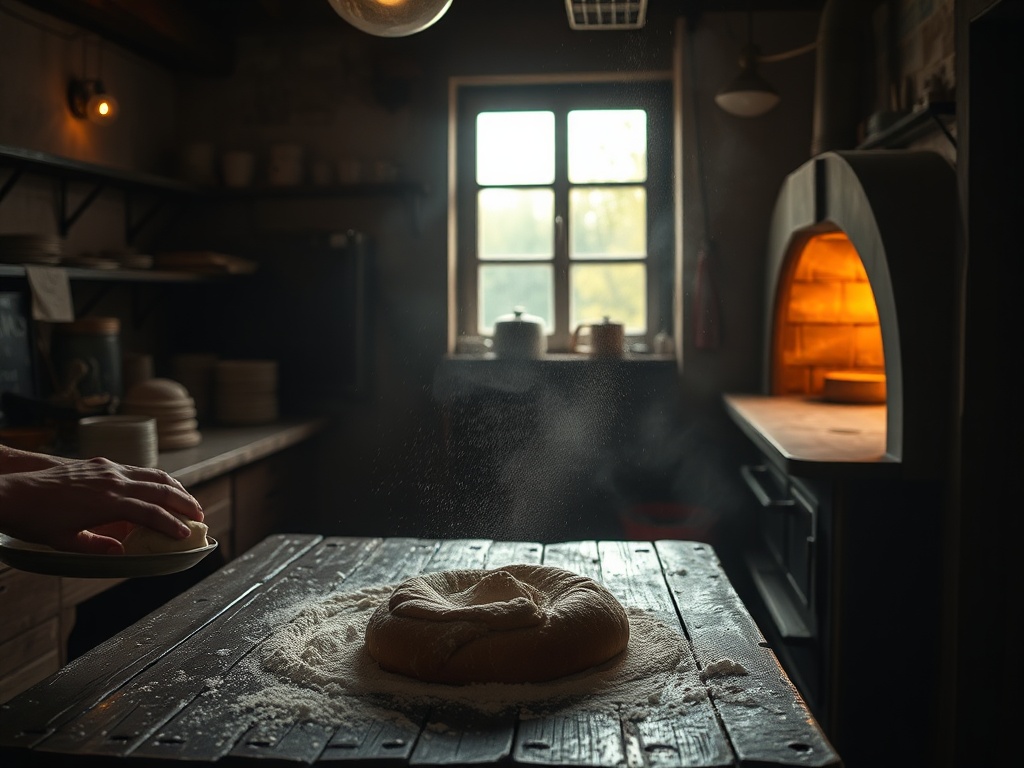
The locals call it pan de madrugada—bread of the early morning. Not because of when it is eaten, but because of when it is made. The phrase carries a quiet respect here. It acknowledges the invisible hours, the labor that exists before the visible day.
The First Gesture Is Silence
There is no music in the bakery. Only the soft compression of dough against wood. The baker—Elena—does not speak at first. We do not interrupt. There is a choreography to her work that does not welcome commentary. Flour is sifted with the same care one might use to handle ash. Water is added not by measurement, but by memory.
We learn, slowly, that Elena has been here for thirty-two years. The same oven. The same table, repaired so many times it resembles a map of small fractures. She gestures toward a scar in the wood. “Burn,” she says. A mistake from years ago. It remains, not as a flaw, but as a record.
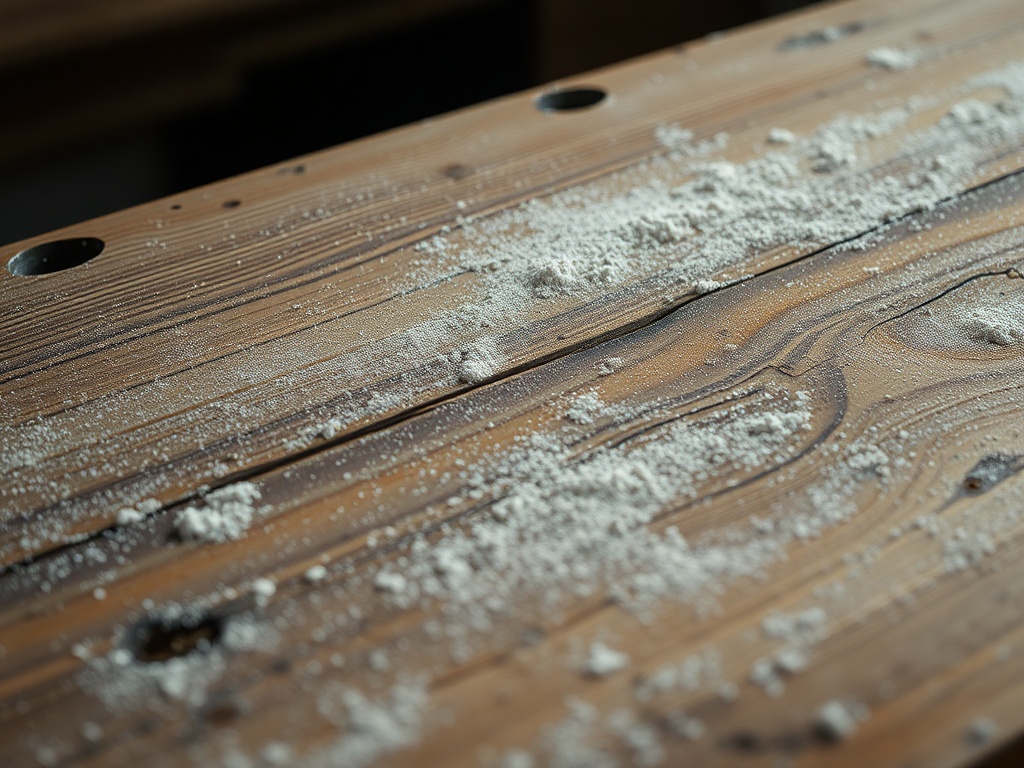
The dough rests. We wait with it. This is the part most people never see—the waiting. Fermentation is not passive. It is a negotiation between time and temperature, between patience and instinct. Elena watches it like a conversation unfolding.
Public Transit, Private Ritual
Outside, the first bus exhales at the corner. A long sigh of compressed air. This is how we measure the morning here—not by clocks, but by arrivals. The 5:10. The 5:25. Each one brings a different kind of worker: cleaners, drivers, nurses finishing their night shift.
Some will come here soon. Not all will speak. Bread is often purchased in silence, wrapped in paper, exchanged for coins that still carry the warmth of a pocket. The transaction is brief, but it is not empty. It is a recognition: you have worked, I have worked, and this is where those efforts meet.
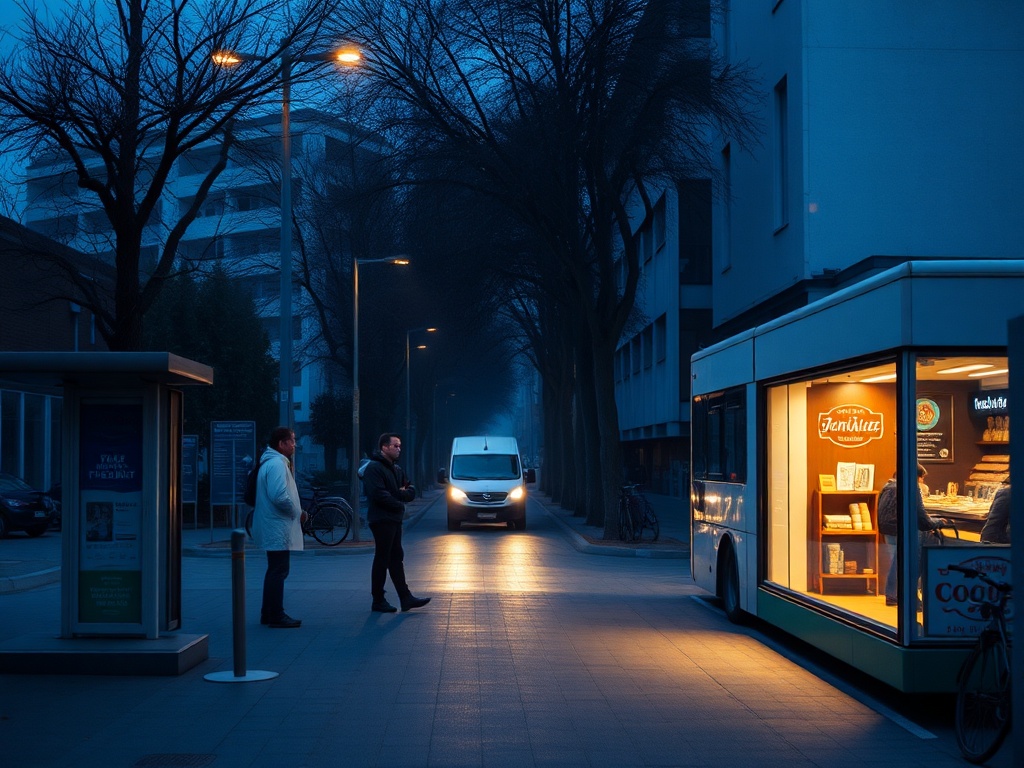
We ask Elena about the buses. She nods. “They are my clock,” she says. There is no wall clock in the bakery. There is no need. The city keeps time for her.
The Language of Hands
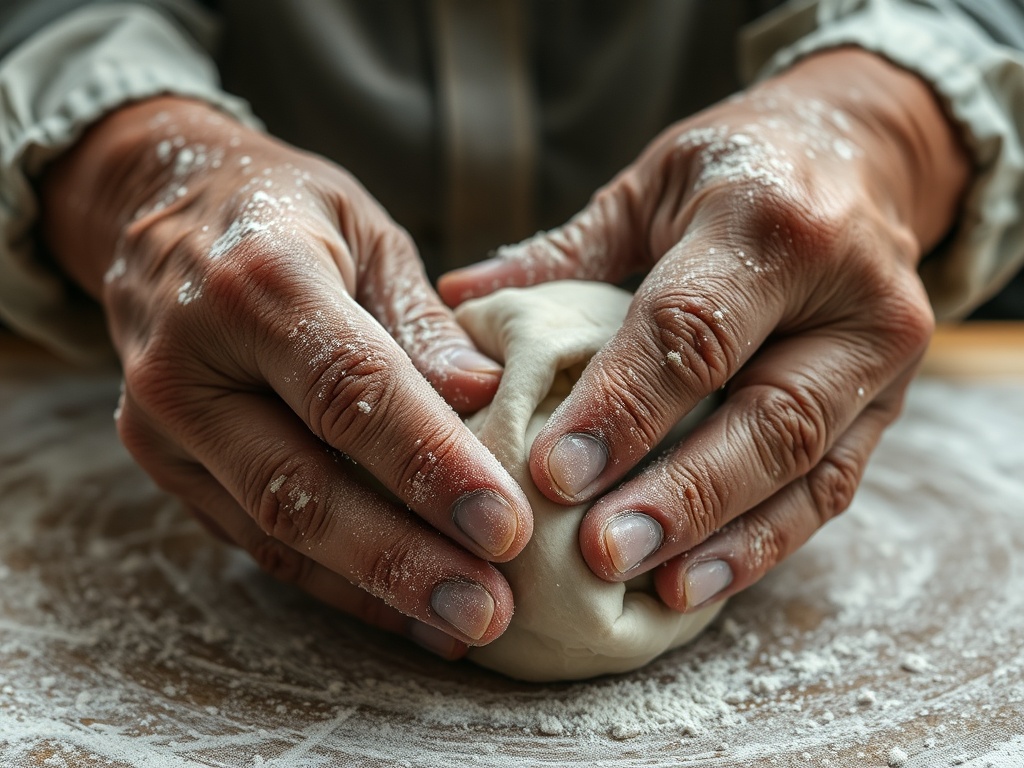
There are words here that do not translate cleanly. One of them is sobremasa—not to be confused with the Spanish sobremesa. This is a local variation, a word that refers to the moment when dough has been handled just enough. Not too soft, not too tense. It is not a measurement; it is a feeling stored in the palms.
We try to understand it intellectually. It fails. Elena takes our hand and presses it into the dough. “Feel,” she says. The surface gives, then resists. A quiet elasticity. This is knowledge that cannot be written, only transferred.
Her hands are marked by small cuts, faint burns, a thin dusting of flour that never fully leaves. Tools leave their signatures. A knife, an oven door, a tray edge. Each mark is a sentence in a language the body remembers.
The Economics of a Loaf
We ask what a loaf costs. The answer is simple, but the reality is not. Flour prices rise. Fuel fluctuates. Rent presses in. And yet, the price of bread changes slowly here, almost reluctantly.
“People need it,” Elena says. There is no abstraction in her statement. Bread is not a product; it is a daily necessity. To price it beyond reach would be to break something larger than a business model—it would fracture a relationship.
This is where travel writing often fails. It speaks of food without speaking of cost, of culture without acknowledging economics. But the two are inseparable. Every bite carries a ledger of decisions, compromises, and quiet acts of generosity.
The First Customer
She arrives just after the second bus. A woman in a navy uniform, her hair tied back, her posture still carrying the night shift. She does not greet us. She greets Elena.
“The usual,” she says.
No further explanation is needed. A loaf is wrapped, handed over. Coins change hands. There is a pause—not awkward, not performative. Just a moment where two people stand in shared understanding.
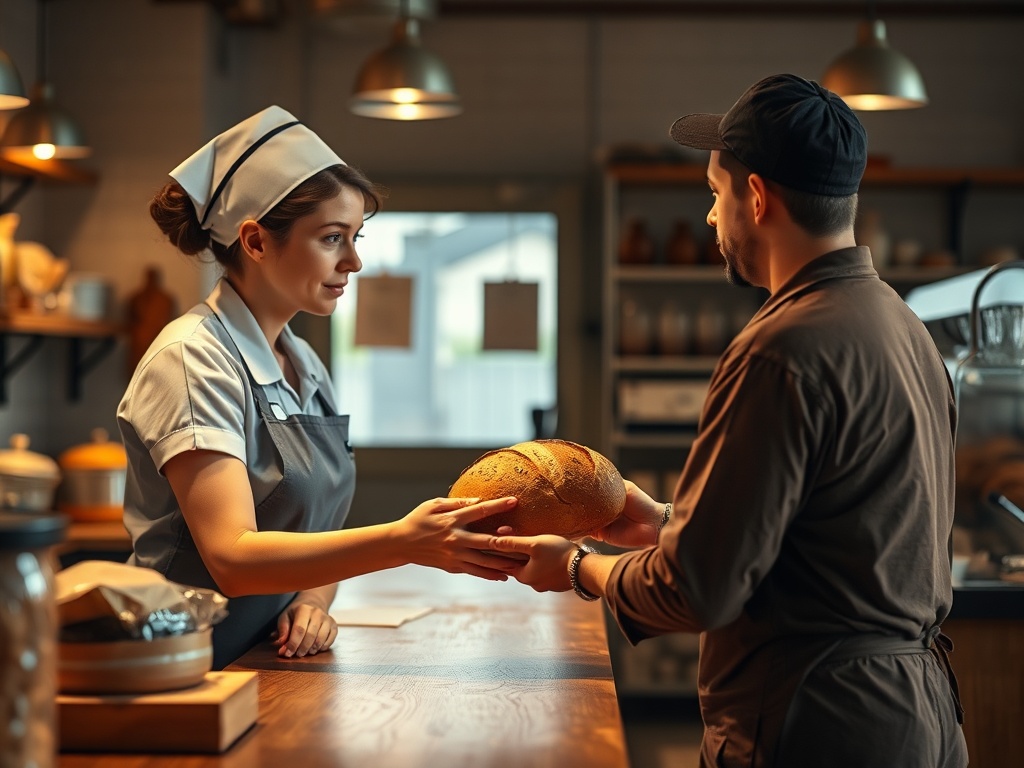
We are present in this exchange, and yet we are not part of it. This is the observer effect made visible. Our presence shifts the air slightly, introduces a new variable. We acknowledge it, quietly. To pretend otherwise would be dishonest.
What Remains Unseen
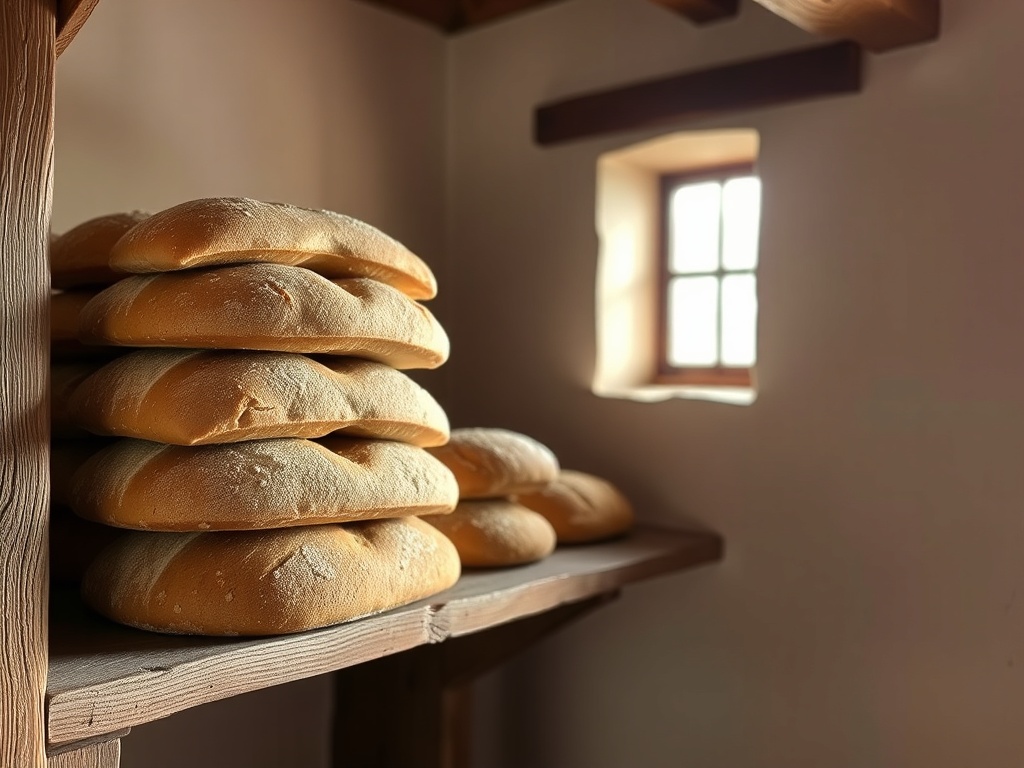
By the time the city fully wakes, the most important work has already been done. The shelves are stocked. The oven cools, briefly, before the next cycle. The bakery becomes visible—but its essence belongs to the hours before.
There is a temptation, always, to chase what is loud, what is celebrated. But here, in this narrow room filled with flour dust and memory, we are reminded that the foundation of any place is built in silence.
The bread will be eaten quickly. It will not be photographed. It will not be remembered individually. But it will sustain. And perhaps that is the highest form of significance—to be essential, and yet invisible.
We leave as the street begins to fill. The shutters rise. The noise returns. But the rhythm of the bakery remains with us—the compression of dough, the patience of waiting, the language of hands.
There is a dignity here that does not ask to be seen. Only to be respected.
Stay curious, stay humble.