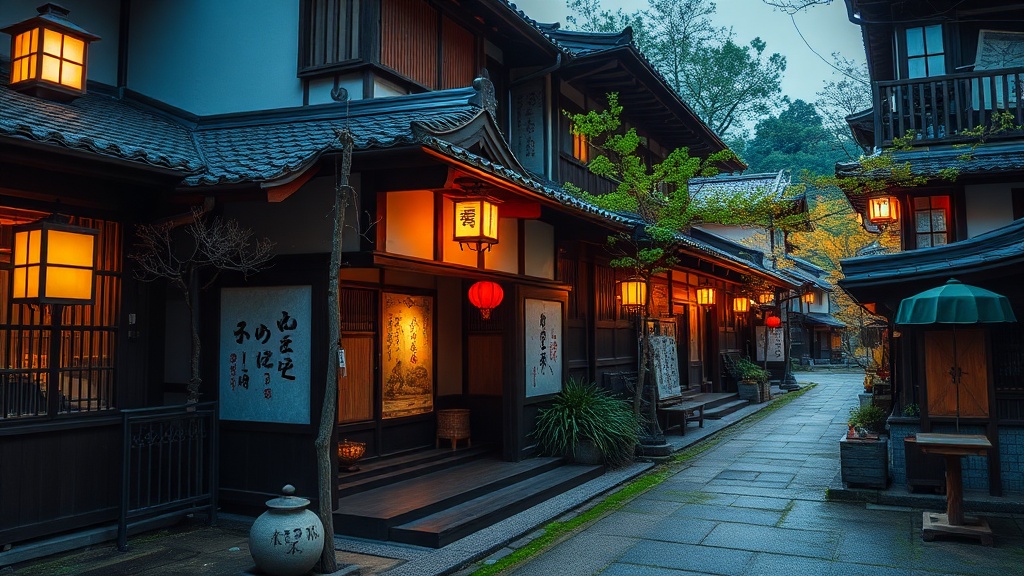
The Hidden Tea Houses of Kyoto's Gion District

The evening light in Kyoto does not simply fade; it retreats, pulling back from the wooden machiya facades of the Gion district with a deliberate, almost respectful slowness. Most travelers spend their time in Gion chasing the fleeting silhouette of a Geiko or Maiko darting between alleys—a momentary blur of silk and white makeup. But if you sit still, if you lean into the quietude rather than the spectacle, you begin to notice the real heartbeat of the district. It is not found in the movement, but in the stillness of the tea houses (ochaya) that have stood as silent sentinels for centuries.
During my years as a fixer in high-conflict zones, I learned that the most profound stories are rarely found in the shouting. They are found in the way a person adjusts a ceramic bowl or the way a shopkeeper sweeps the dust from a doorstep at the same time every afternoon. In Gion, this discipline is a form of art. The tea houses are not merely places to consume matcha; they are highly codified spaces of ritual, resilience, and social architecture.
The Architecture of Discretion
To the uninitiated, a tea house in Gion might look like any other traditional building. However, the architecture is designed specifically to facilitate a culture of discretion. The narrow entrances, the heavy wooden slats known as koshi, and the dim, indirect lighting are all intentional. They create a threshold between the frantic pace of modern Japan and a world where time is measured by the steep of the leaves.
When you enter a true ochaya, you are stepping into a space where the outside world is expected to vanish. This isn't a casual cafe experience. Much like mastering the art of the Tokyo izakaya experience, where the social contract is defined by the shared rhythm of the counter, the tea house operates on a set of unwritten rules. There is a specific etiquette to how one sits, how one speaks, and how one observes. In Gion, the goal is not to be seen, but to belong to the moment.
Understanding the 'Ichigensan Kotowari' Rule
The most daunting aspect for any traveler is the ichigensan kotowari—the policy of "no first-time visitors without an introduction." This is the legendary barrier that keeps Gion’s most prestigious tea houses exclusive. It is not necessarily about snobbery; it is about maintaining a specific level of trust and social cohesion within the community. To enter these spaces, one typically needs a patron who can vouch for your character and your respect for the tradition.
While this can feel exclusionary, it is a vital part of the district's preservation. It ensures that the patrons are not merely tourists looking for a photo op, but individuals who value the depth of the culture. If you are traveling solo or as a small group, I recommend looking for "teahouse-style" establishments that offer a more accessible entry point while still maintaining high standards of traditional service. This allows you to experience the textures of the culture without the social friction of a formal introduction.
The Sensory Details of the Tea Ceremony
If you are lucky enough to secure a seat, do not rush the process. The beauty of the tea house lies in the micro-movements. I once spent an entire afternoon in a small workshop in rural Japan, watching a craftsman repair lacquerware. The way he handled the tool was a lesson in patience. The tea ceremony in Gion carries that same weight. Watch the way the steam rises from the chawan (tea bowl). Notice the slight irregularities in the handmade ceramics—the wabi-sabi, or the beauty of imperfection.
- The Texture of the Matcha: High-grade ceremonial matcha is not just a bitter powder; it is a vibrant, frothy elixir. The texture should be velvety, a stark contrast to the rugged, earthy feel of the ceramic bowl.
- The Seasonal Sweets (Wagashi): In Kyoto, food is a seasonal clock. A tea house will serve sweets that reflect the current micro-season—perhaps a maple leaf shape in autumn or a delicate cherry blossom motif in spring.
- The Sound of Silence: Listen to the water simmering in the iron kettle. The sound, often described as "wind in the pines," is a deliberate part of the sensory experience.
This focus on the immediate, tactile environment is a way of grounding oneself. It is a stark contrast to the high-speed, digital-first lifestyle of the modern world. It reminds me of the way travelers must learn to slow down when navigating the High Atlas mountains—where the landscape dictates your pace, not your itinerary.
A Practical Guide for the Respectful Observer
If you wish to experience Gion with the depth it deserves, you must approach it with a sense of stewardship. You are a guest in a living museum, not a spectator at a show. Here is how to navigate the district with grace:
- Respect the Privacy of the Maiko: If you see a Maiko or Geiko walking through the streets, do not block her path for a photograph. Observe from a distance. The dignity of their profession is rooted in their ability to move through the world with grace, and a crowd of outstretched phones disrupts that grace.
- Time Your Visits: The best time to explore the backstreets of Gion is during the "blue hour"—just after the sun has set but before the heavy evening crowds descend. The lanterns (chochin) begin to glow, and the shadows lengthen, providing a more authentic atmosphere.
- Dress with Intent: While there is no strict dress code for visiting a tea house, dressing with a degree of formality shows respect for the establishment and the tradition. It is a way of signaling that you recognize the importance of the space.
- Carry Minimal Gear: Just as I suggest mastering lightweight packing for trekking to remain agile, keep your presence in Gion light. A large backpack or bulky camera gear is cumbersome in the narrow alleys and can feel intrusive in the intimate settings of a tea house.
The Resilience of Tradition
What strikes me most about the tea houses of Gion is their resilience. They have survived wars, economic shifts, and the relentless march of globalization. They have survived because they offer something that cannot be digitized: a sense of place and a sense of time. In a world that is increasingly homogenized, these small, wooden structures serve as anchors.
When I sit in a tea house, I am not looking for the "perfect shot." I am looking for the way the light hits the tatami mat. I am looking for the way the host bows—not as a performance, but as a sincere expression of hospitality. This is the quiet resilience of Kyoto. It is not found in the grand temples, but in the small, repetitive, and deeply intentional acts of daily life.
As you plan your journey to Japan, remember that the most rewarding experiences are often the ones that require the most patience. Whether you are navigating the bustling streets of Tokyo or the quiet alleys of Gion, the goal should always be to observe more and perform less. The world reveals its true textures to those who are willing to wait.