The Slow Rhythm of the Bento Box in Tokyo's Neighborhoods

A small wooden tray sits on a weathered table in a corner of a quiet neighborhood in Setagaya. A single, perfectly shaped piece of tamagoyaki—a rolled omelet—rests beside a pile of pickled radish. There's no frantic rush here, no neon glow or high-speed rail noise. Instead, there's just the sound of a single person eating, the gentle clink of chopsticks against lacquer, and the quiet dignity of a meal prepared with intent. This is the world of the bento, a vessel that carries more than just rice and protein; it carries the daily rhythm of Japanese life.
Understanding the bento isn't about finding the most expensive version in a department store basement. It's about observing how these small, compartmentalized meals function as a bridge between home and work, between tradition and the modern pace of the city. In the narrow alleys of Tokyo, the bento is a constant. It's a portable piece of culture that speaks to the way people prioritize balance, even in the smallest of containers.
Where can you find authentic bento in Tokyo?
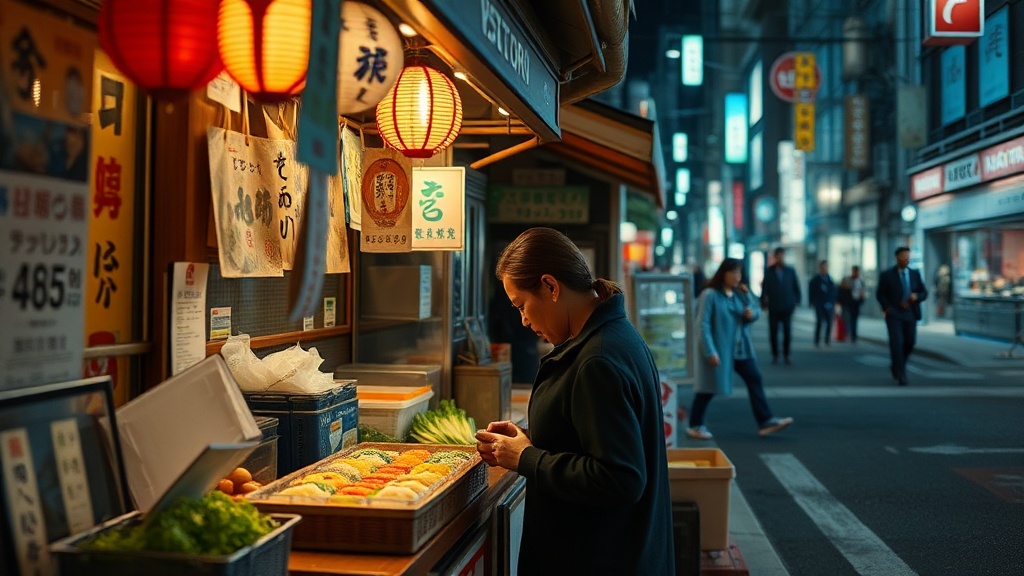
While the massive department stores in Shinjuku or Shibuya offer spectacular displays, the real character of the bento lives in the local depachika (department store basement food halls) and the small, family-run shops near residential train stations. If you want to see how locals actually eat, look for the shops that have been in the same spot for decades. These aren't just food stalls; they are institutions. You'll see people standing in line—not with the impatience of a tourist, but with a quiet, practiced patience—waiting for a specific seasonal offering.
For a truly grounded experience, seek out the stations that serve the western suburbs. The food here often reflects a slightly different pace than the frantic center of the city. You might find a bento box filled with seasonal vegetables that reflect the current micro-season—the subtle shifts in weather that the Japanese calendar tracks so closely. Japan-Guide offers wonderful insights into the regional variations of food, and a quick look at their seasonal guides can help you understand what to look for in a box right now.
- Ekiben: These are the bento specifically designed for train travel. Each station often has its own signature version, using local ingredients from that specific area.
- Seasonal Bento: Look for the signs that mention specific months. A spring bento might feature bamboo shoots, while autumn versions lean heavily into chestnut and mushrooms.
- Hand-made Stall Bento: These are often found in local markets and have a less "perfect" look than the factory-made versions, which usually means they're more soulful.
What makes a high-quality bento different?
A high-quality bento isn't necessarily the most expensive one. It's the one where the ingredients feel alive. In the more expensive versions, you'll notice the texture of the rice—it shouldn't be mushy, but firm enough to hold its shape. The vegetables aren't just side dishes; they are treated with the same respect as the main protein. You might see a piece of grilled mackerel that still carries the faint scent of charcoal, or a piece of ginger that provides a sharp, clean contrast to the richness of the fish.
The architecture of the box matters, too. A good bento uses space to create a sense of equilibrium. There's a place for the salty, a place for the sweet, and a place for the neutral. This isn't accidental. It's a way to ensure that every bite is a complete experience. If you watch closely, you'll see how the colors—deep greens, bright yellows, earthy browns—create a visual harmony that prepares the palate for the meal ahead. It's a small, edible landscape.
When you're looking for quality, pay attention to the packaging. The way a lid fits or the use of traditional paper wraps can tell you a lot about the shop's philosophy. A shop that cares about the tactile experience of opening a box is a shop that cares about the food inside. It's a small detail, but in a culture that values the nuances of presentation, it's a significant one.
Is it okay to eat bento on public transport?
This is a common question for those visiting Japan for the first time. The short answer is yes, but with a few cultural caveats. On long-distance trains like the Shinkansen, eating a bento is almost a ritual. It's an expected part of the experience. However, on local commuter trains that run through the heart of the city, you'll notice that people rarely eat. The space is tight, and the social contract dictates that you don't impose your scents or your presence on others during a short trip.
If you're traveling between cities, the bento is your best friend. There's something uniquely satisfying about eating a meal while the landscape blurs past the window at 300 kilometers per hour. It turns a transit period into a destination in itself. Just remember to be mindful of your surroundings. If you're eating, do it with a certain level of discretion. It's not about being secretive; it's about being respectful of the shared space.
For more detailed etiquette regarding dining and public behavior in Japan, the Japanet website and various travel forums offer extensive advice on how to blend in. The goal isn't to act like a local, but to move through the world with the same quiet awareness that they do.
The beauty of the bento is its simplicity. It doesn't demand your undivided attention, but it rewards it. It's a small, portable reminder that even in a world that's constantly moving, there is a place for stillness, for careful preparation, and for the quiet joy of a well-ordered meal. Whether you're sitting in a crowded station or a quiet park, the bento remains a constant, a small piece of home that can be carried anywhere.