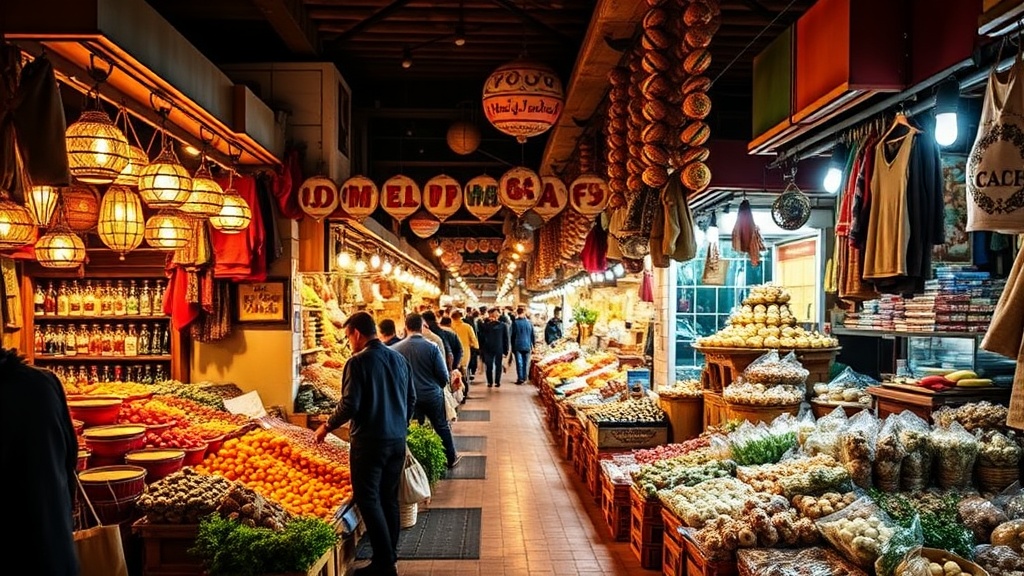
Why You Should Shop at Local Markets in Marrakesh

Quick Tip
Always visit local markets to find the most authentic products and support the local economy directly.
Why You Should Shop at Local Markets in Marrakesh
Many travelers assume that the souks of Marrakesh are merely tourist traps designed for high-margin souvenir sales. This misconception ignores the reality that the markets, particularly around the Semmarine and Rahba Kedima areas, remain the functional economic heart of the city. Shopping here is not just about acquiring goods; it is a way to engage with a highly specialized, centuries-old supply chain that supports local artisans and farmers.
Support Specialized Craftsmanship
When you buy from a specialized stall rather than a general gift shop, your money goes directly to the people maintaining specific traditions. In the Souk Haddadine, for example, you can observe blacksmiths working with iron and copper. Buying a hand-hammered lantern directly from a workshop in this district ensures that the technical skill required to produce it remains economically viable. Look for items that show slight irregularities—these are markers of hand-tooling rather than factory-stamped mass production.
Access High-Quality Raw Ingredients
The markets are also the primary source of fresh produce and spices for the city's residents. If you are looking for authentic Moroccan flavors, visit the spice markets near the Koutoubia Mosque. Instead of buying pre-packaged spice mixes, look for vendors selling whole ingredients like Ras el Hanout components, dried rosebuds, or high-grade saffron. Buying these in bulk or in smaller, fresh quantities ensures you are getting the potency found in local kitchens rather than the diluted versions found in export-heavy retail stores.
Practical Tips for Market Navigation
To shop effectively and respectfully, keep these practicalities in mind:
- Carry Small Denominations: Much like the necessity of carrying small change in Mexico City, having small bills (10, 20, or 50 Dirhams) is essential. Large bills are often difficult for small-scale vendors to break, and having exact change facilitates smoother, faster transactions.
- Observe Before You Engage: Spend fifteen minutes watching the flow of trade. Notice how locals interact with vendors and how goods are weighed or tested. This observation provides a baseline for what a standard transaction looks like.
- Check the Texture: When buying textiles or leather goods, feel the weight and grain. Authentic Marrakesh leather should feel supple, not plastic-like, and high-quality wool rugs will have a distinct, heavy density.
"The true value of the souk lies in the specialized knowledge held by the vendors. A merchant selling only cumin has a depth of expertise that a generalist simply cannot match."