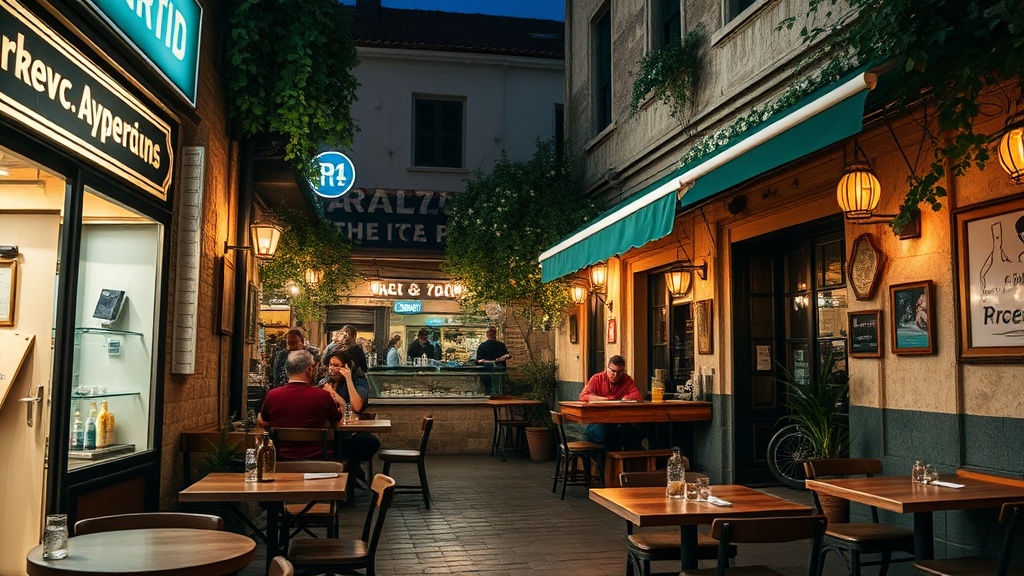
Why You Should Visit Small Neighborhood Tavernas in Athens

Quick Tip
Look for places with handwritten menus and local crowds to find the best prices and flavors.
The Value of Neighborhood Tavernas in Athens
This post explains why choosing small, neighborhood-based tavernas over large-scale tourist restaurants in Athens provides a more authentic connection to Greek food culture and better value for your money. You will learn how to identify these establishments, what to order, and how to navigate the social etiquette of a local dining experience.
Identifying a Genuine Taverna
To find an authentic taverna, look for establishments located away from the immediate shadow of the Acropolis or the high-traffic corridors of Plaka. Instead, head toward residential neighborhoods like Koukaki, Pangrati, or Exarcheia. A genuine taverna is often signaled by its lack of English-only menus and the absence of aggressive street promoters. Instead of laminated photos of food, look for hand-written daily specials on a chalkboard. These signs indicate that the menu is dictated by the market's daily offerings rather than a fixed, industrial supply chain.
What to Order and How to Eat
In these smaller settings, the menu is often seasonal and revolves around mezedes—small plates designed for sharing. Rather than ordering a single heavy entree, order several smaller dishes to sample a variety of textures and flavors. Look for these staples:
- Horiatiki: A traditional Greek salad with block feta, kalamata olives, and local tomatoes.
- Fava: A creamy yellow split pea puree, often served with red onions and olive oil.
- Saganaki: Fried cheese, typically kefalograviera, which provides a salty, crispy contrast to softer dishes.
- Grilled Octopus: Often prepared simply with lemon and oregano, showcasing the quality of the seafood.
When dining, remember that the pace is intentionally slow. In many neighborhood spots, the staff will not bring the bill until you explicitly ask for it (*"To logariasmo, parakalo"*). This is not a lack of service, but a respect for your time to linger. Much like ordering coffee in Rome, the goal is to inhabit the space, not just consume a meal.
Practical Tips for the Traveler
To ensure a smooth experience in a local Athenian neighborhood, keep these practicalities in mind:
- Cash is King: While many larger establishments accept cards, smaller tavernas often prefer cash for smaller bills or single orders of mezedes.
- Timing: Greeks typically eat dinner later in the evening. Arriving around 8:00 PM or 9:00 PM will place you among the local crowd rather than the early-arrival tourists.
- Water: It is standard to order a large bottle of mineral water (still or sparkling) for the table rather than individual small glasses.
"The quality of a neighborhood taverna is found in its consistency and its connection to the local market, not in its marketing budget."