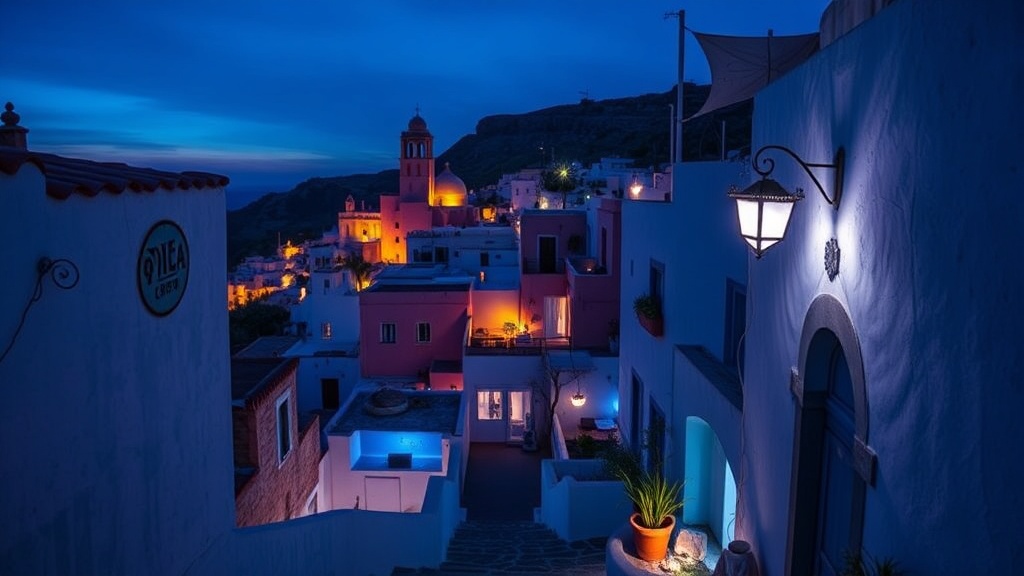
Chasing the Blue Hour in Chefchaouen
Most people think the blue walls of Chefchaouen are a modern aesthetic choice designed for social media, but that's a mistake. The blue pigment—ranging from pale sky to deep indigo—is deeply rooted in tradition and practical utility. This guide covers the logistics of timing your visit to capture the "blue hour," the best vantage points in the Rif Mountains, and how to respect the local pace of life while exploring the medina. If you want to see the city when the light is soft and the crowds are thin, you need to understand the rhythm of the sun rather than the trends of an app.
When is the best time to see the blue hour in Chefchaouen?
The best time to witness the blue hour in Chefchaouen is during the thirty minutes immediately following sunset, specifically when the sky transitions from orange to a deep, monochromatic indigo. This period provides the most striking contrast against the limestone walls of the medina. Since the city sits in a valley, the shadows hit the lower streets much earlier than the mountain peaks. You'll find that the light behaves differently depending on the season. In winter, the light disappears quickly, leaving the streets in a moody, cobalt haze. In summer, the twilight lingers, giving you more time to wander without a flashlight.
To catch this light, you should aim to be positioned at a high vantage point by about 20 minutes before the official sunset time. If you wait until the sun is actually gone, you might miss the subtle shifts in color that make the walls seem to glow. It’s a quiet moment—the kind where the calls to prayer from the various mosques overlap and the street vendors begin to pull their shutters.
Recommended Vantage Points:
- The Spanish Mosque: A steady uphill walk from the medina. It offers a panoramic view of the entire blue city against the backdrop of the Rif Mountains.
- The Kasbah Museum: Located near the main square (Uta el-Hammam), this offers a more structured view of the lower medina.
- Residential Rooftops: Many small cafes near the top of the medina allow you to sit and watch the light fade.
I’ve found that the best way to experience the city isn't by rushing to a specific spot, but by observing the way the light hits the texture of the plaster. There’s a certain grit to the walls that disappears under the harsh midday sun but comes alive when the shadows stretch. It reminds me of the way light hits the early morning bakeries in Europe, where the light is soft and the world feels still.
How much does a trip to Chefchaouen cost?
A budget-friendly trip to Chefchaouen typically costs between $40 and $70 USD per day, depending on your preference for lodging and dining. Morocco remains one of the more affordable destinations in North Africa, but prices in the blue medina can be slightly higher than in smaller, rural villages due to the heavy tourism. You can find everything from luxury riads to basic hostels, making it accessible for different types of travelers.
| Expense Type | Budget (USD) | Mid-Range (USD) | Luxury (USD) |
|---|---|---|---|
| Daily Meal | $10 - $15 | $25 - $40 | $60+ |
| Local Transport | $2 - $5 | $10 - $20 | $50+ (Private Driver) |
| Accommodation | $15 - $30 | $60 - $120 | $200+ |
Don't forget to factor in the cost of a bus or grand taxi from Tangier or Fes. The CTM bus service is a reliable and inexpensive way to get here. If you're traveling with a group, a private driver might be more efficient, though it will certainly bump your daily spend. When you're walking through the narrow streets, you won't need much cash for the city itself, but keep small denominations for tea or small souvenirs. It's always better to have a few Dirhams ready for the small, local interactions.
The cost of a traditional tagine at a local spot is often much lower than at the restaurants positioned directly on the main square. I've noticed that the best meals are often found in the side alleys, where the steam from the pots is visible but the menus aren't written in English. It's a small detail, but it makes a difference in your wallet and your experience.
What should I pack for the Rif Mountains?
You should pack layers, specifically lightweight clothing for the day and a warm jacket or sweater for the evenings. Even in the height of summer, the temperature drops significantly once the sun dips behind the mountains. The terrain is also quite steep and uneven, so footwear is your most important asset. I always suggest a pair of broken-in hiking shoes or sturdy sandals—nothing with a thin, flimsy sole. You'll be walking on stone stairs and uneven cobblestones for hours.
Here is a quick checklist for your bag:
- A light windbreaker or fleece: The evening breeze in the mountains can be biting.
- Refillable water bottle: Staying hydrated is easy, but you'll want to avoid single-use plastics.
- A small power bank: If you're using your phone for navigation or photography, the battery will drain faster in the cooler air.
- Modest clothing: Respectful attire (covering shoulders and knees) is the standard here.
I once saw a traveler trying to navigate the steep stairs of the medina in flip-flops. It didn't end well. The stone can be slippery, especially if there's a bit of moisture in the air or if you've spilled a bit of tea. If you're looking for more general advice on light travel, my guide on packing lighter might be useful before you head to the airport.
The texture of the city is part of its charm. The walls aren't just painted; they are layered. You can see the history of the city in the way the paint chips and the way the blue fades near the ground from years of foot traffic and rain. When you're out there during the blue hour, don't just look at the walls—look at how the light interacts with the uneven surfaces. That's where the real magic happens.
One thing to keep in mind: the medina is a living, breathing community. It isn't a museum. People are living their lives, hanging laundry, and running shops. When you're looking for that perfect shot, be mindful of your surroundings. A little bit of patience goes a long way. If you wait, the locals will eventually go about their business, and the street will belong to you for a few moments. It’s a slow-motion world, and it’s best enjoyed that way.
The light in the Rif Mountains is unlike anywhere else. It's heavy. It feels like it has weight to it. When the blue hour hits, the world feels like it's being submerged in water. It’s a quiet, contemplative time that demands you slow down. If you try to rush through it, you'll miss the very thing you came to see.