Finding the Best Ceramic Workshops in Kyoto

A ceramicist in the Higashiyama district of Kyoto works with a steady, rhythmic pressure, using a small wooden tool to refine the rim of a tea bowl. There is no rush in the movement. This guide provides a practical overview of the best ceramic workshops in Kyoto, focusing on locations where you can engage directly with traditional techniques like Kiyomizu-yaki. Whether you are looking for a one-hour introductory session or a multi-day intensive course, the following recommendations prioritize authenticity, technical instruction, and logistical clarity.
Understanding Kyoto Ceramic Traditions
Kyoto is the heart of Japanese pottery, specifically known for Kiyomizu-yaki. This style is characterized by its elegance and the use of intricate hand-painted designs. Unlike the more rustic, unglazed styles found in other parts of Japan, Kyoto ceramics often feature high-quality glazes and delicate motifs that reflect the seasonal changes in the city. When booking a workshop, it is important to distinguish between Rokuro (the electric or manual potter's wheel) and Tezukune (hand-building or pinching techniques). Most tourist-facing workshops offer both, but the level of technical difficulty varies significantly between the two.
Top-Rated Ceramic Workshops in Kyoto
The following studios have been selected based on their instructional quality, the transparency of their pricing, and their ability to accommodate international visitors with English-speaking staff or clear visual instructions.
1. Unraku Kaneko Studio (Kiyomizu-yaki Focus)
Located near the famous Kiyomizu-dera Temple, this studio specializes in the high-end aesthetic of Kyoto pottery. It is an ideal choice for those who want to understand the precision required for fine tableware. The instructors here focus heavily on the relationship between the clay and the glaze.
- Technique: Primarily Rokuro (wheel throwing) and E-tsuke (hand-painting designs).
- Duration: 60 to 90 minutes.
- What to expect: You will start by preparing the clay, then move to the wheel to shape a bowl or cup. Afterward, you may choose to apply a specific glaze pattern.
- Cost: Approximately ¥3,500 to ¥5,000 per person, depending on the complexity of the glaze.
2. Kasaya Ceramic Studio
Kasaya offers a more grounded, tactile experience. The studio is smaller and more intimate, making it a better fit for those who prefer a quiet environment over a high-traffic tourist center. The focus here is on the structural integrity of the piece. If you are interested in the physical sensation of the clay, this is the recommended location.
- Technique: Hand-building (Tezukune) and basic wheel throwing.
- Duration: 90 minutes.
- What to expect: A heavy emphasis on the "pinch pot" method, which allows for more organic, asymmetrical shapes. This is excellent for beginners who may feel intimidated by the speed of a spinning wheel.
- Logistics: They offer a shipping service to international addresses, which is essential as the pieces must be fired twice in a kiln.
3. Kyoto Ceramic Art Association (Kyoto Kaigyo)
For those seeking a more academic or professional approach, the Kyoto Ceramic Art Association provides a window into the more rigorous side of the craft. This is not a casual "craft corner" experience; it is a structured environment used by serious students of the arts.
- Technique: Advanced wheel throwing and traditional glazing.
- Duration: Longer sessions or multi-day workshops are often available.
- What to expect: A highly disciplined setting. You will be expected to follow strict protocols regarding tool usage and workspace cleanliness.
Technical Terms to Know Before Your Session
To get the most out of your workshop, understanding the basic terminology will help you follow instructions more effectively, even if there is a language barrier. Most instructors will use these terms during the demonstration phase.
- Rokuro: The potter's wheel. If you are told to "sit at the rokuro," you are moving to the center of the action.
- Kneading (Kibachi): The process of working the air bubbles out of the clay before shaping. This is the most important step for a durable finished product.
- Glaze (Yaku): The liquid coating applied to the ceramic before it enters the kiln. The color of your piece will change significantly once it is fired.
- Firing (Yaki): The process of heating the ceramic in a kiln. Most workshops involve two firings: one for the "bisque" stage and one for the final glaze.
Practical Logistics: Shipping and Lead Times
One of the most common mistakes travelers make when booking a ceramic workshop is failing to account for the firing timeline. You cannot walk out of a studio with a freshly made bowl. The piece must undergo a drying period, a bisque firing, a glazing process, and a final high-temperature firing. This process typically takes 4 to 6 weeks.
Essential Tips for Shipping:
- Ask for EMS or DHL: Most reputable studios in Kyoto use Japan Post's EMS (Express Mail Service) to ship items internationally. Ensure the studio offers this service before you begin your session.
- Budget for Shipping: Do not expect the shipping cost to be included in the workshop fee. For a single medium-sized bowl, expect to pay between $30 and $50 USD for international shipping.
- Plan your Trip: If you are on a short trip through Japan, do not book a workshop on your last day. You will not be able to take the item with you.
What to Wear and How to Prepare
Ceramics is a messy, tactile art form. While studios provide aprons, you should prepare accordingly. Avoid wearing expensive silks or delicate fabrics that could be ruined by wet clay or splashes of glaze. Natural fibers like cotton are best, as they are more durable and easier to wash.
Keep your fingernails trimmed short. Long or manicured nails can catch in the clay as it spins on the wheel, causing the piece to collapse or creating unwanted ridges. If you are working with Tezukune (hand-building), your hands will be constantly in contact with the moisture of the clay, so ensure you are comfortable with a damp, cool sensation on your skin.
Finding Inspiration in the Local Markets
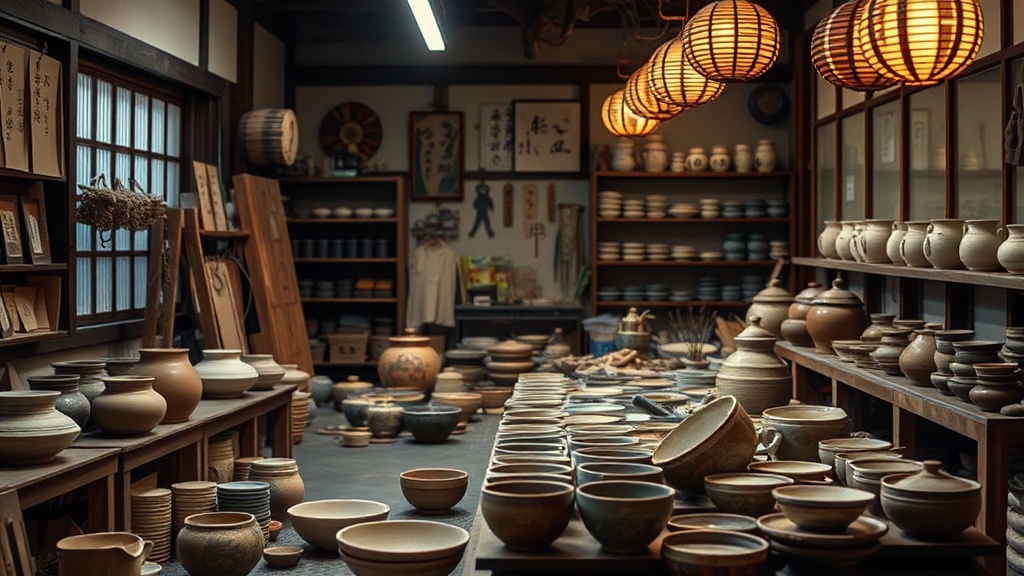
Before you sit down at the wheel, it is helpful to see what finished, high-quality Kyoto ceramics look like in a functional setting. Visiting local markets can provide a baseline for the textures and shapes you might want to emulate. For example, observing how a tea bowl sits in the palm of a hand can inform how much weight you should build into your own creation. While exploring the city, you might find that observing the craftsmanship of everyday objects is as rewarding as a dedicated tour. Much like navigating the local markets in Marrakech, understanding the rhythm of a local market in Kyoto will give you a better sense of the scale and utility of the items being produced.
Summary Checklist for Booking
Before you finalize your booking, ensure you have confirmed the following details via email or the studio's website:
- Language: Is there an English-speaking instructor or a visual guide provided?
- Method: Is it Rokuro (wheel) or Tezukune (hand-building)?
- Shipping: Do they ship to my specific country via a tracked service?
- Total Cost: Does the price include the final firing and glaze?