Finding the Best Tea Houses in Taipei

An elderly man sits at a corner table in a crowded Xinyi District shop, his eyes fixed on the slow drip of water through a clay filter. He does not check a phone or look at the street traffic outside. He simply waits for the infusion to reach the correct strength. This level of patience is the baseline for tea culture in Taipei, where the ritual of brewing is treated with more gravity than the social interaction surrounding it. This guide provides the practical details you need to navigate Taipei’s tea scene, from high-end traditional tea houses in Maokong to the modern specialty shops in the city center, ensuring you know what to order and how to respect the local etiquette.
The Different Tiers of Taipei Tea Culture
Taipei’s tea landscape is split between two distinct experiences: the traditional mountain tea houses and the modern urban specialty shops. Understanding this distinction is necessary before you begin your search, as the service models and price points vary significantly.
Traditional Tea Houses and Mountain Retreats
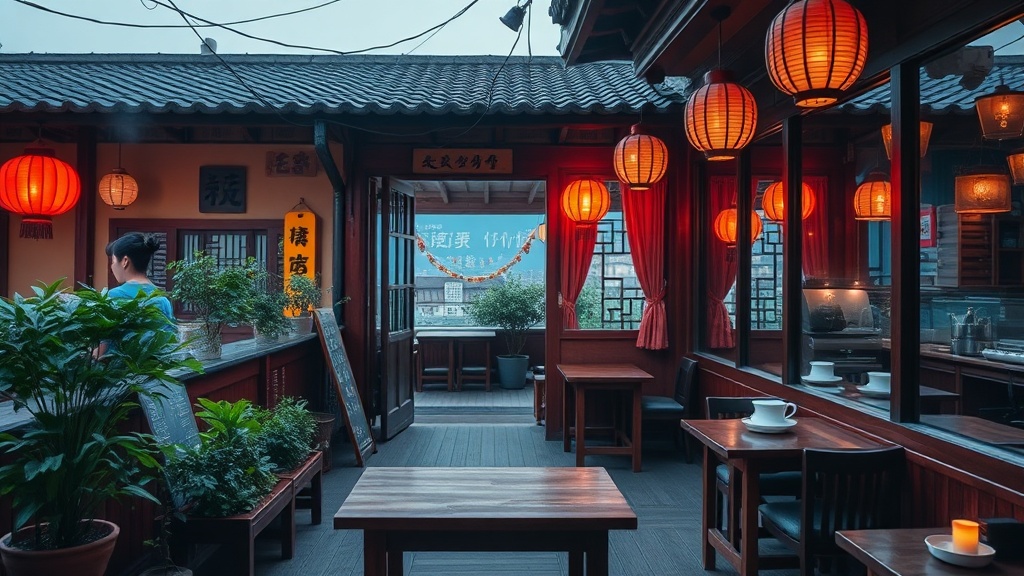
These establishments are often located on the outskirts of the city, particularly in the Maokong area. They focus on the atmosphere of the surroundings—often overlooking tea plantations or misty valleys. The service here is slower, and the tea is typically brewed in a traditional Gongfu style using clay or porcelain vessels. You are paying for the view and the meditative pace of the service. These are ideal for long afternoons where the goal is to observe the changing light over the mountains.
Modern Specialty Tea Shops
Located in districts like Da’an or Xinyi, these shops function more like high-end coffee boutiques. They focus on single-origin leaves, precise temperature control, and modern brewing methods. The aesthetic is minimalist, and the service is efficient. These shops are perfect for travelers who want to sample specific cultivars, such as High Mountain Oolong or Tieguanyin, without the commitment of a three-hour mountain excursion. If you are interested in the intersection of traditional ingredients and modern presentation, you might also enjoy finding the best street food in Seoul, as the urban food culture in East Asia often shares this blend of tradition and modernization.
Essential Tea Varieties to Order
When walking into a tea house, the menu can be overwhelming. To avoid ordering something generic, look for these specific varieties which represent the high points of Taiwanese production.
- High Mountain Oolong (Gao Shan Cha): This is the gold standard of Taiwanese tea. It is grown at high altitudes (above 1,000 meters) and is characterized by a creamy texture and a natural floral aroma. Look for labels specifying "Alishan" or "Lishan" for the most reliable quality.
- Tieguanyin: A heavy, roasted oolong that is much more robust than the high mountain varieties. It often has a distinct "rock rhyme" (yan yun) or mineral quality. It is an excellent choice if you prefer a tea with more body and a toasted finish.
- Oriental Beauty (Dongfang Meiren): This is an oolong that has been processed through a unique method involving small insects (leafhoppers) biting the leaves. This process creates a natural honey and fruit sweetness. It is less about "floral" notes and more about a deep, complex sweetness.
- Black Tea (Hong Cha): While Taiwan is famous for oolong, its black teas are exceptional. Look for Jin Xuan black tea, which often carries a subtle milky undertone.
Where to Go: Recommended Locations
Maokong: The Traditional Experience
Maokong is a mountain area accessible via the Taipei Metro Brown Line. It is the most direct way to experience tea in its natural environment. Most establishments here offer "tea with a view."
Practical Tip: Avoid the large, neon-lit restaurants at the very top of the cable car station if you want a quiet experience. Instead, walk 10-15 minutes further up the mountain paths. The smaller, family-run houses tucked into the hillside offer a much more authentic atmosphere and more consistent tea quality. Most of these places allow you to order a set that includes light snacks like fried taro or seasonal fruits, which pair well with the astringency of the tea.
Dadaocheng: The Historical Heart
Dadaocheng is one of the oldest districts in Taipei and serves as the historical hub for the tea trade. The architecture here consists of narrow, multi-story merchant houses. This area is better for those who want to shop for loose-leaf tea to take home.
Practical Tip: Many shops in Dadaocheng are actually wholesalers. If you enter a shop, do not be afraid to ask for a "tasting" (chá xì). Most reputable merchants will offer a small sample of a leaf before you commit to a purchase. Look for shops that have a dedicated seating area in the back; these are usually the ones that respect the ritual of the brew rather than just moving volume.
Xinyi and Da’an: The Modern Specialty Scene
If you are looking for a refined, single-origin experience, look for "Tea Bars." These are often small, one-room establishments where a tea master (cha shi) prepares your drink with extreme precision. These shops often use electronic scales to measure the exact water temperature and the weight of the leaves to the tenth of a gram.
Etiquette and the Art of Tasting
Tea in Taipei is not just a beverage; it is a sensory process. To get the most out of your visit, follow these practical guidelines for tasting and interacting with staff.
- The Scent Test: Before drinking, lift the lid of the gaiwan (the brewing vessel) or the tea cup to your nose. High-quality oolong should release a distinct aroma—whether it is floral, honey, or toasted—before the liquid even touches your tongue.
- The Multiple Infusions: Do not drink all your tea in one go. A high-quality oolong can be steeped 5 to 8 times. Each infusion will reveal a different layer of flavor. The first steep might be light and floral, while the fourth or fifth might be deeper and more mineral-heavy.
- Water Temperature: If you are at a modern shop, you may see them using different temperatures for different steeps. This is intentional. If you are brewing your own tea at home, remember that green teas require lower temperatures (around 80°C) to avoid bitterness, while oolongs thrive at higher temperatures (90°C-95°C).
- The Pouring Ritual: If you are dining with locals, it is polite to pour tea for others before yourself. When someone pours for you, a slight nod of the head is a standard sign of respect.
What to Look for When Buying Tea to Take Home
If you decide to purchase tea to bring back to your home country, avoid the pre-packaged, brightly colored tins found in convenience stores or tourist souvenir shops. These are often older stock or lower grade. Instead, look for the following:
- Vacuum-Sealed Foil Bags: High-quality loose-leaf tea is almost always sold in opaque, vacuum-sealed foil bags to protect it from light and oxygen. This preserves the essential oils and the "life" of the tea.
- The Harvest Date: Real tea has a vintage. Ask for the harvest year. For high-mountain oolongs, the freshness of the harvest is a primary indicator of quality.
- Single Origin vs. Blends: If you want to understand the terroir of Taiwan, buy single-origin tea. Blends are fine for daily drinking, but they mask the specific characteristics of the mountain or the cultivar.
Finding the best tea in Taipei requires a willingness to slow down. Whether you are sitting in a high-altitude house in Maokong or a minimalist shop in the middle of a skyscraper-dense district, the quality of the experience is directly proportional to your patience. Watch the way the light hits the steam, observe the precision of the brewer, and treat the tea as a living thing rather than just a drink.