Where to Find the Best Street Food in Seoul

Tteokbokki at Gwangjang Market
Korean Hotteok in Myeongdong
Bibimbap Bowls in Insadong
Gimbap Rolls near Bukchon Hanok Village
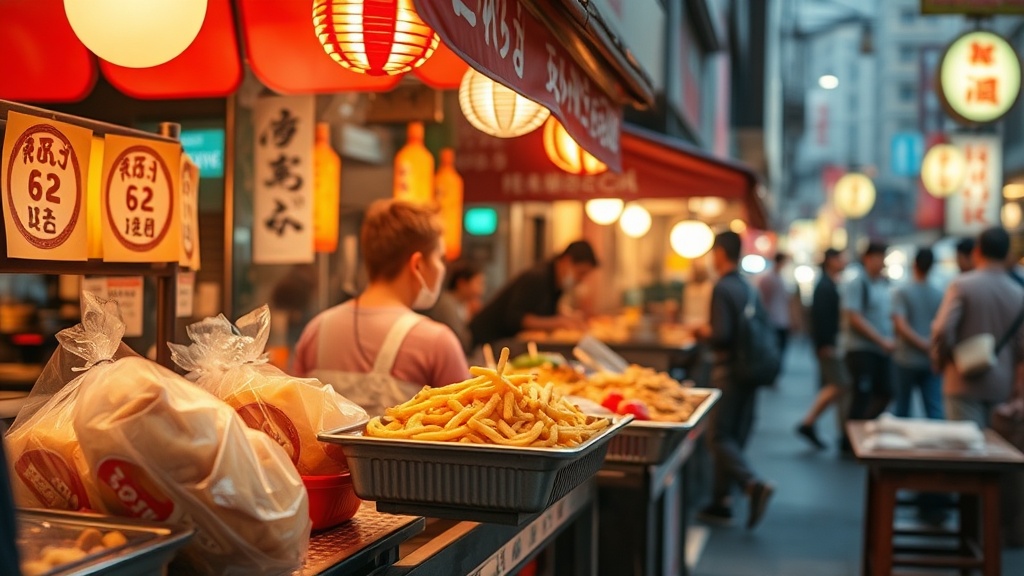
A vendor in Myeong-dong flips a small, golden cylinder of tteokbokki—rice cakes—in a shallow pan of bright red, spicy sauce. The steam rises against the backdrop of neon signage and the rhythmic sound of metal spatulas hitting stainless steel. This is the sensory core of Seoul’s food culture. To understand the city, you must eat on its streets. This guide identifies the specific neighborhoods, stalls, and signature dishes you need to find the most authentic street food in Seoul, moving beyond the tourist traps to find the places where locals actually eat.
Gwangjang Market: The Heart of Traditional Flavors
Gwangjang Market is one of the oldest traditional markets in Seoul, located in the Jongno District. While it attracts many visitors, the food stalls here remain deeply rooted in tradition. The market is organized into a central food hall where vendors operate out of open-fronted stalls. The atmosphere is dense and loud, but the focus remains entirely on the preparation of the food.
Must-Try Dishes at Gwangjang
- Bindaetteok (Mung Bean Pancakes): Look for the stalls where you can hear the heavy grinding of mung beans. These pancakes are made from ground soaked mung beans, sprouts, and onions, then deep-fried in oil until the exterior is crispy while the center remains soft. They are best paired with a small dish of pickled onions.
- Mayak Kimbap: These are bite-sized seaweed rice rolls. The name "Mayak" translates to "drug" or "addictive," referring to how easy they are to eat. They are typically seasoned with sesame oil and served with a tangy mustard-based dipping sauce.
- Yukhoe (Beef Tartare): For a more substantial meal, seek out the specialized Yukhoe stalls. The beef is incredibly fresh, often served with a raw egg yolk, Korean pear slices, and toasted sesame seeds. The quality of the meat is the primary indicator of a good stall here.
When navigating Gwangjang, look for the stalls with the longest queues of locals. If a vendor is working a high-volume station with a large iron griddle, it is usually a sign of consistent quality. Much like navigating the local markets in Marrakech, success here relies on observing the crowd and choosing the most active vendor.
Myeong-dong: The Modern Street Food Hub
Myeong-dong serves a different purpose than the traditional markets. It is a high-energy, commercialized district that functions as a laboratory for new and "Instagrammable" street foods. While some dishes are designed specifically for visual appeal, the sheer variety makes it an essential stop for anyone wanting to see the evolution of Korean street snacks.
The Myeong-dong Menu Highlights
- Grilled Lobster with Cheese: This is a premium street food item often found in the center of the district. The lobster tails are split, grilled, and topped with melted mozzarella. It is more expensive than typical street fare, but it represents the modern, high-end shift in the scene.
- Cheese Tteokbokki: While tteokbokki is a staple everywhere, Myeong-dong versions often incorporate heavy amounts of melted cheese or even a creamy sauce to appeal to a younger, global palate.
- Egg Bread (Gyeran-ppang): A classic snack consisting of a small, sweet, slightly spongy bread with a whole egg cooked inside. It is a perfect balance of sweet and savory, ideal for eating while walking through the crowds.
Because Myeong-dong is highly commercial, prices are slightly higher than in other districts. Always check the price listed on the stall before ordering to avoid any confusion. The street food alleys usually open in the late afternoon and remain active until late at night.
Namdaemun Market: The Working Man's Feast
Namdaemun is the largest traditional market in Korea, and its food scene is characterized by its efficiency and lack of pretense. This is where office workers and laborers grab quick, heavy, and inexpensive meals. The food here is often cooked in large batches and served in simple paper bowls or small plates.
Key Items to Look For
- Hotteok (Sweet Syrupy Pancakes): Specifically, look for the cinnamon and brown sugar filling. The dough is fried in oil, creating a crunchy exterior that gives way to a molten, sweet center. In the winter, these are a staple of the Namdaemun streets.
- Vegetable Hotteok: A savory variation of the pancake, filled with glass noodles and vegetables. This is a more substantial option for those who want to avoid the sugar rush of the sweet version.
- Kalguksu (Knife-Cut Noodles): While often found in dedicated small shops within the market rather than just street stalls, the noodle alleys in Namdaemun offer some of the most consistent, handmade noodles in the city.
The pace in Namdaemun is fast. Vendors expect you to order, eat, and move on. It is an excellent place to observe the intersection of commerce and dining, as the food is designed to be eaten quickly during a short break.
The Essentials of Eating on the Street
To have the best experience with Seoul's street food, you need to understand the logistics of the environment. It is not a sit-down dining experience, and there are specific cultural nuances that make the process smoother.
Payment and Etiquette
While many stalls are beginning to accept credit cards or mobile payments, the most reliable way to pay is with cash. Small denominations of Korean Won (KRW) are particularly helpful. Some vendors may also accept bank transfers via mobile, but carrying physical cash ensures you can eat anywhere. Most stalls do not provide much seating, so be prepared to stand or find a nearby park bench.
Understanding the Spiciness Levels
Korean street food can be significantly spicier than it appears. The red color in dishes like tteokbokki or odeng (fish cake soup) comes from gochugaru (red chili flakes) and gochujang (red chili paste). If you are sensitive to heat, ask the vendor for "an maepge" (not spicy). It is also wise to keep a bottle of water or a drink nearby, as the heat can build up over several bites.
The Role of the "Odeng" Broth
One of the most important things to notice is the large metal pots filled with broth and fish cakes (odeng). The broth is almost always free to consume. If you buy a skewer of fish cake, you are often encouraged to take a small cup of the warm broth to sip on. This broth is excellent for warming up on a chilly evening and helps to balance the spice of other dishes.
Summary of Neighborhood Specialties
| Neighborhood | Primary Vibe | Signature Dish |
|---|---|---|
| Gwangjang Market | Traditional, Bustling, Historic | Bindaetteok (Mung Bean Pancake) |
| Myeong-dong | Modern, Trendy, High-Energy | Grilled Lobster & Cheese |
| Namdaemun Market | Fast-Paced, Practical, Local | Hotteok (Sweet/Savory Pancakes) |
The street food of Seoul is more than just a quick way to satisfy hunger; it is a vital part of the city's social fabric. Whether you are standing in a crowded alleyway in Gwangjang or navigating the neon lights of Myeong-dong, the focus is always on the texture, the temperature, and the immediate satisfaction of a well-made dish. Approach these markets with an open mind and a bit of cash, and you will find the true flavor of the city.