Finding the Best Traditional Bathhouses in Budapest

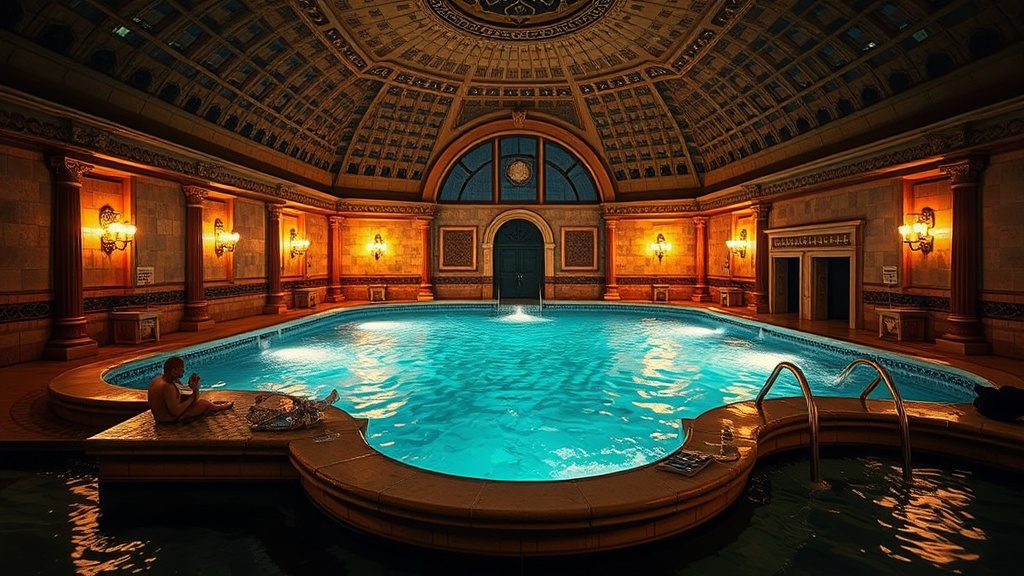
A man sits on the edge of a marble basin in the Széchenyi thermal baths, steam rising around him as he stares at the steam-fogged windows. He isn't checking a phone or posing for a photo; he is simply existing in the heat. This is the functional reality of Budapest’s bath culture. It is not a luxury spa experience designed for social media, but a fundamental part of the city's social and physical infrastructure. This guide provides the necessary details to navigate Budapest’s thermal bath system, covering the specific characteristics of the major institutions, practical etiquette, and how to choose a facility based on your specific needs.
The Essential Budapest Bath Guide
Budapest sits on a geological fault line that allows thermal waters to rise to the surface, creating a network of hundreds of natural springs. These waters are rich in minerals like calcium, magnesium, and fluoride, which are used locally to treat everything from joint inflammation to skin conditions. When visiting, it is important to distinguish between the grand, historic bathhouses and the smaller, more localized neighborhood baths. The former are architectural landmarks, while the latter offer a more authentic glimpse into daily Hungarian life.
Széchenyi Thermal Bath: The Grand Landmark
Located in the City Park (Városliget), Széchenyi is the largest and most recognizable bath in the city. It is an expansive complex featuring a Neo-Baroque yellow building and several outdoor pools that remain heated year-round. This is the best option for those who want a sense of scale and variety, but it also attracts the highest volume of tourists.
- The Experience: The outdoor pools are the centerpiece, where you can move between different temperature zones. The indoor section offers more secluded, quieter pools and steam rooms.
- Best For: Large groups, sightseers, and those who want to experience the most iconic Budapest setting.
- Practical Tip: Arrive before 9:00 AM or after 6:00 PM to avoid the peak midday crowds. The facility is massive, so bring a waterproof bag to keep your belongings together as you move between sections.
Gellért Baths: The Art Nouveau Masterpiece
If Széchenyi is about scale, Gellért is about architectural precision. Situated at the foot of Gellért Hill, this bathhouse is famous for its intricate Art Nouveau design, featuring colorful Zsolnay tiles, stained glass, and marble columns. The atmosphere here is more structured and formal than the more casual Széchenyi.
- The Experience: The indoor thermal pool is the highlight, offering a sense of grandeur that feels more like a museum than a public facility. The water temperature is consistently warm, and the stone surfaces are meticulously maintained.
- Best For: Photographers (within legal limits), lovers of classical architecture, and those seeking a more sophisticated environment.
- Practical Tip: Check the specific rules for the indoor pool, as certain sections may have restricted access for those without a full pass.
Rudas Árpád: The Ottoman Legacy
For a look at the city's deeper history, the Rudas Baths offer a window into the 16th-century Ottoman occupation of Budapest. Unlike the grand European-style baths, Rudas features a distinct octagonal pool topped with a stone dome, a design that has remained largely unchanged for centuries. It is a much smaller, more intimate facility.
- The Experience: The heat in the Turkish section is intense and concentrated. The atmosphere is heavy with steam and the scent of minerals. Recently, a modern wellness wing has been added, but the original Ottoman pool remains the primary draw.
- Best For: History enthusiasts and those who prefer a smaller, more focused environment.
- Practical Tip: The Turkish section is strictly gender-segregated, which is a standard practice in many traditional bathhouses.
Király Baths: The Hidden Gem
Király is one of the oldest and most understated baths in the city. It is much less "polished" than Széchenyi or Gellért, which makes it a preferred spot for locals who want to avoid the tourist circuit. It maintains a strong connection to the traditional way of using thermal water for daily wellness.
- The Experience: The facility is compact and functional. It lacks the architectural spectacle of the larger baths but offers a highly authentic, unpretentious environment.
- Best For: Budget-conscious travelers and those looking for a quiet, local experience.
- Practical Tip: This is a great place to observe the quiet resilience of the local community, as you will see elderly residents using the baths as a daily social ritual.
Practical Logistics and Etiquette
Navigating a Budapest bathhouse requires more than just a swimsuit. There are specific cultural norms and logistical requirements that, if ignored, can make the experience uncomfortable or even result in being asked to leave.
What to Pack
While many larger facilities offer rentals, bringing your own gear is more efficient and often cheaper. You should carry the following:
- Flip-flops or Sandals: Essential for walking on wet, potentially slippery marble floors and for hygiene in the changing areas.
- A Large Towel: Most baths do not provide towels for free; they are usually available for a rental fee.
- A Waterproof Bag: To keep your phone, wallet, and dry clothes safe from the humidity and splashing.
- A Swim Cap: Some traditional baths, particularly during certain hours or in specific pools, may require a swim cap to maintain water hygiene.
- Lockable Bag: While lockers are provided, having your own small padlock is a practical precaution.
Understanding the Rules
The Hungarian bath culture is rooted in hygiene and respect for the water. To ensure a smooth visit, adhere to these standards:
- The Shower Rule: You must shower thoroughly before entering any pool. This is not a suggestion; it is a strict requirement for water purity.
- Footwear Protocol: Never walk through the common areas or changing rooms barefoot.
- Noise Levels: While these are social spaces, they are also places of rest. Avoid loud conversations or playing music on speakers.
- Photography: Most major baths have a strict "no photography" policy in the pool and changing areas to protect the privacy of guests. Respect these signs; cameras are often confiscated if used inappropriately.
Timing and Pricing
Prices vary significantly depending on the facility and the time of day. Generally, a daily pass at a major bath like Széchenyi will cost between 10,000 and 13,000 HUF (Hungarian Forint). It is always more cost-effective to buy your ticket at the facility rather than through third-party websites that add a markup.
If you are looking for a more contemplative experience, avoid the weekend afternoons. This is when the highest density of tourists and large groups arrive. Instead, aim for a weekday morning. If you are interested in the sensory aspects of the city, much like finding the best tea houses in Taipei, you will find that the quietest hours in the baths provide the most profound connection to the local culture.
Summary of Best Baths by Need
| Bath Name | Primary Vibe | Best Feature | Crowd Level |
|---|---|---|---|
| Széchenyi | Grand/Tourist | Outdoor heated pools | High |
| Gellért | Elegant/Artistic | Art Nouveau architecture | Medium |
| Rudas | Historical/Compact | Ottoman-style dome | Medium |
| Király | Local/Simple | Authentic atmosphere | Low |
Whether you are seeking the architectural splendor of the 19th century or the functional, thermal-driven routine of the modern Hungarian local, Budapest’s baths offer a specific kind of sanctuary. Approach them with respect for the rules and an eye for the small details, and you will find that the water is more than just a way to clean the skin—it is a way to experience the city's pulse.