How to Find the Best Local Craft Beer in Prague

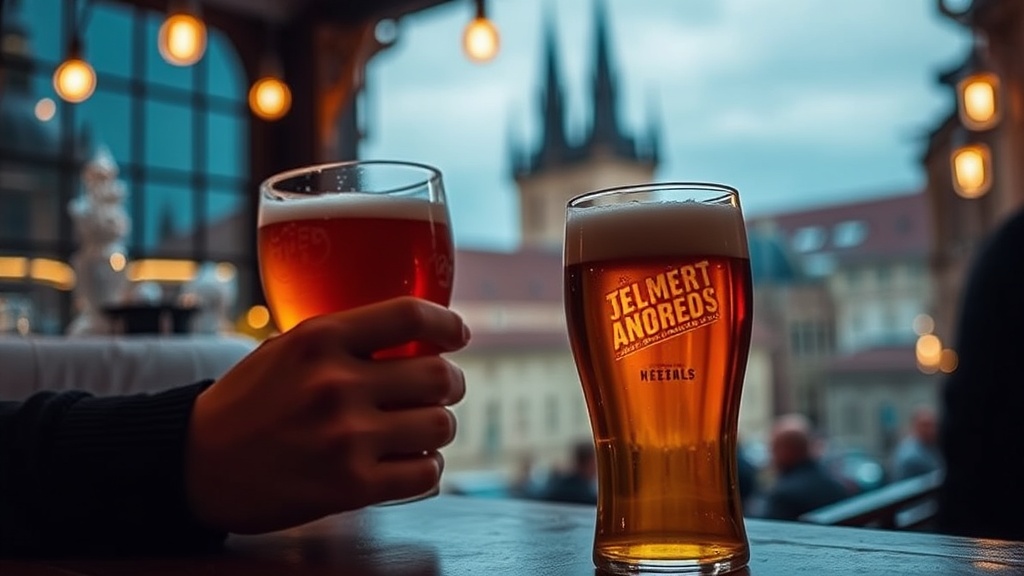
A heavy glass mug sits on a worn wooden table in a dim cellar in Prague 1, the surface of the lager topped with exactly two fingers of thick, creamy white foam. There is no neon sign or loud music here; there is only the rhythmic sound of a tap being pulled and the low murmur of locals discussing the day's news. Finding high-quality local craft beer in Prague requires moving past the brightly lit tourist hubs and learning to identify the subtle markers of quality, tradition, and modern brewing innovation. This guide provides the practical steps and specific locations needed to navigate the Czech beer scene, from traditional pilsners to the emerging craft revolution.
Understand the Difference Between Traditional and Craft Beer
To find the best beer in Prague, you must first understand that the city operates on two distinct levels. The first is the traditional Czech beer culture, which focuses on consistency, high-quality ingredients, and specific styles like the Pilsner or the darker Tmavý. The second is the modern craft movement, which focuses on experimentation, fruit infusions, and unconventional hop profiles.
Traditional Czech beer is often served in high volumes and is designed to be consumed with food. The standard is the Pilsner—a crisp, pale lager with a bitter finish. If you are looking for the gold standard of this tradition, you are looking for a beer that has been brewed using traditional methods and served in a perfectly clean glass. The modern craft scene, however, is where you will find IPAs, stouts, and sour ales. While the traditionalists might look down on these, the craft movement has a strong foothold in neighborhoods like Vinohrady and Letná.
Identify Quality by the Setting
The environment in which a beer is served is often a reliable indicator of its quality. In Prague, the best beer is rarely found in establishments with large English-language menus taped to the windows. Instead, look for these three types of venues:
- Hospoda: These are traditional Czech pubs. They are often unpretentious, with heavy wooden furniture and long communal tables. A good hospoda will have a limited menu, often focusing on a single brewery or a small rotation of local staples.
- Beer Gardens: While many are tourist-heavy, certain gardens, like those near Letná Park, offer a more authentic atmosphere where the focus is on the view and the quality of the draught.
- Specialty Craft Beer Bars: These are smaller, more curated spaces. They often feature a wide selection of rotating taps from small-batch breweries across the Czech Republic and even Europe.
If a bar has a massive selection of branded international lagers, move on. The best establishments focus on a few high-quality local options rather than a broad, mediocre selection.
Visit Specific Neighborhoods for Authentic Experiences
While the Old Town (Staré Město) is the heart of Prague, it is also the epicenter of overpriced, mediocre beer. To find the real stuff, you must walk a few kilometers outward.
Vinohrady: The Sophisticated Choice
Vinohrady is a residential district with a high density of expats and locals who value quality over quantity. This is where you will find many of the city's best craft beer bars. Look for venues that specialize in small-batch brews. Many of these spots offer a more refined atmosphere, making them ideal for those who want to taste a complex IPA or a seasonal sour ale in a comfortable setting.
Letná and Holešovice: The Creative Hub
These districts are the center of the modern brewing movement. You will find many taprooms here that are connected to small, independent breweries. The vibe is more industrial and relaxed. This is the best area to find experimental styles and to see how the younger generation of Czech brewers is interpreting traditional flavors. It is highly recommended to visit these areas if you are interested in finding high-quality local beverages and understanding the nuances of a local production culture.
Žižkov: The Traditionalist’s Playground
Žižkov has one of the highest densities of pubs in Europe. It is grittier and more traditional than Vinohrady. If you want to sit in a crowded, loud, and authentically Czech environment drinking a perfect, no-frills lager, this is your destination. The focus here is on the reliability of the pour and the strength of the beer.
Key Breweries and Brands to Look For
When looking at a menu, certain names act as a shorthand for quality. While many small craft breweries are popping handfuls of new names into the market, these established names and styles are reliable:
- Pilsner Urquell: The benchmark for the pale lager style. While it is a large brand, a well-poured Pilsner Urquell in a traditional setting is a foundational experience.
- Kozel: Known for its darker, slightly sweeter malty profile (Černý), which is a great entry point for those who find pale lagers too bitter.
- Velkopopovický Kozel: Specifically look for their darker varieties if you prefer a smoother, less bitter finish.
- Local Microbreweries: Keep an eye out for names like Matuška. Matuška is widely considered one of the pioneers of the Czech craft movement and produces exceptional IPAs and seasonal beers that are much more complex than standard lagers.
Technical Tips for Ordering and Tasting
Ordering beer in Prague is a skill. To ensure you get the best experience, keep these practical tips in mind:
Ask for the "Tankové Pivo": This refers to tank beer, which is served directly from a pressurized tank rather than a bottle or a keg. Tank beer is incredibly fresh and is often the highest quality option available in a pub. If a place offers tank beer, it is a sign they prioritize freshness.
Observe the Pour: A perfect Czech beer should have a thick, creamy head. If the beer is served with almost no foam, or if the head is thin and bubbly, it is a sign that the lines are not being cleaned properly or the beer is not fresh. The foam is not just decoration; it protects the beer from oxidation and carries the aroma.
Check the Glassware: In a high-quality establishment, the glass will be spotless and free of any residue. A cloudy or greasy glass will ruin the mouthfeel of a crisp lager. If you see a bar using mismatched or dirty glassware, it is a red flag regarding their overall beer maintenance.
The "Small Beer" Option: If you are exploring many different styles, don't feel obligated to order a full 0.5L mug. Many modern craft bars will offer smaller pours (0.3L or 0.4L), which is a much more efficient way to taste through a menu without becoming over-saturated.
Summary Checklist for Finding Great Beer
Before you settle into a seat, run through this quick mental checklist to ensure you are in the right place:
- Is the menu focused on local or craft brands rather than international mass-market lagers?
- Is the atmosphere consistent with the neighborhood (e.g., a hospoda in Žižkov or a craft bar in Vinohrady)?
- Is there an option for Tankové Pivo (tank beer)?
- Does the beer have a thick, creamy head of foam?
- Is the glassware clean and appropriate for the style of beer being served?
By following these steps, you move beyond the superficial tourist experiences and into the heart of Prague's actual drinking culture. Whether you are looking for the bitter bite of a traditional pilsner or the complex hops of a modern craft IPA, the quality is out there—you just have to know where to look.
Steps
- 1
Look for Local Menus
- 2
Visit Neighborhood Microbreweries
- 3
Check the Beer Tap Rotation