How to Master the Art of Street Food Tours in Bangkok

I spent three years in Southeast Asia as a news fixer, a role that essentially requires you to be a professional problem-solver and a shadow. My job wasn't to be the face of a story, but to ensure the camera crew had what they needed to capture the truth. In that time, I learned that the most profound stories aren't found in the polished press releases of luxury hotels, but in the rhythmic, repetitive motions of a street vendor's hands. In Bangkok, that rhythm is the heartbeat of the city. It is the sound of a heavy cleaver hitting a wooden block, the hiss of a wok over high-pressure gas, and the communal clatter of plastic stools on a sidewalk.
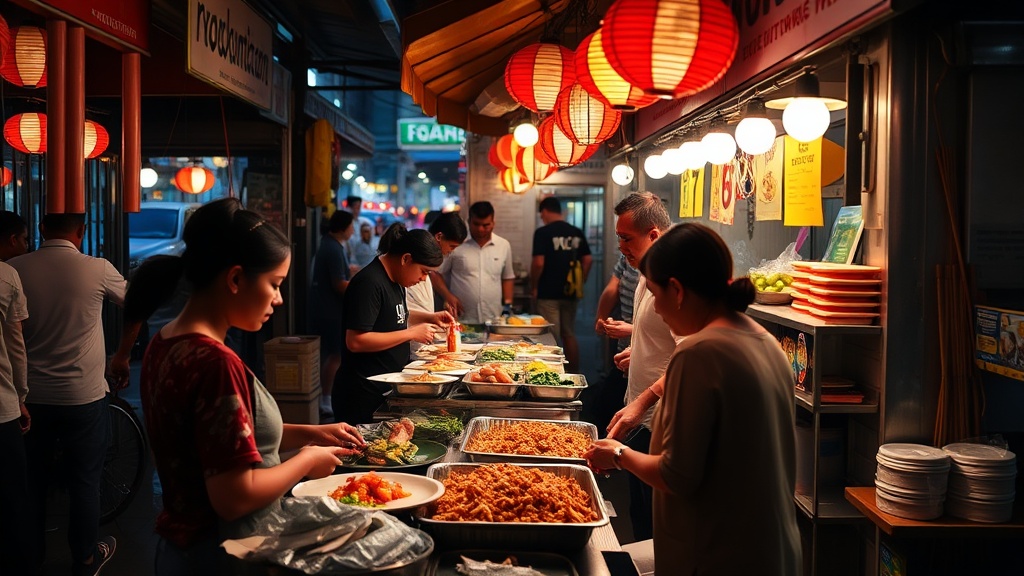
To the uninitiated, a street food tour in Bangkok can feel like a chaotic assault on the senses. The heat is heavy, the humidity clings to your skin, and the sheer volume of smells—ranging from sweet jasmine to pungent fermented fish sauce—can be overwhelming. However, if you approach the city with a sense of observation rather than a checklist, you will find that Bangkok is a masterclass in culinary precision. This isn't just "fast food"; it is a highly specialized craft passed down through generations.
The Philosophy of the Sidewalk Table
Before you set foot on a street corner in Yaowarat or Ari, you must shift your mindset. A successful street food tour requires a departure from the Western concept of dining. There is no "service" in the traditional sense. There is no waiter coming to check if you need more water. There is only the transaction, the meal, and the immediate departure. This efficiency is part of the charm, but it requires a certain level of mental preparation.
One of the most important rules of the street is to embrace the ebb and flow of the city. Just as one might learn the art of navigating afternoon breaks in Spain to respect local rhythms, you must respect the peak hours of Bangkok’s food stalls. A vendor who has been making the same Pad Thai for forty years will have a specific window of perfection. If you arrive too early, the ingredients aren't ready; if you arrive too late, the best portions are gone.
1. Identifying the "High-Velocity" Stalls
In my years of observing local communities, I’ve noticed a universal sign of quality: velocity. If a stall has a high turnover rate, it is a good sign. High velocity means the ingredients are being replenished constantly, ensuring freshness. Look for the crowds—not necessarily the tourists, but the local office workers and taxi drivers. If a vendor is managing a queue of people who are eating quickly and moving on, you are looking at a high-standard operation.
When you see a vendor working a single dish—perhaps just Guay Tiew (noodle soup) or Moo Ping (grilled pork skewers)—pay attention to their movements. There is a grace to it. The way they control the flame, the way they season the broth with a practiced flick of the wrist. This specialization is why they are successful. They aren't trying to do everything; they are trying to do one thing perfectly.
The Logistics of Eating Well and Safely
The most common question I receive is: "How do I avoid getting sick?" It is a valid concern, but often exaggerated. While you shouldn't be reckless, a certain level of calculated risk is part of the adventure. To navigate this, I suggest a few practical strategies.
- The "Cooked-to-Order" Rule: Prioritize stalls where you can see the food being cooked in front of you. High heat is your best friend. A bubbling vat of broth or a searing hot wok kills most bacteria. Avoid pre-cut fruits or vegetables that have been sitting out in the humidity.
- Observe the Water: If you are thirsty, stick to bottled water or highly carbonated soft drinks. If you see a vendor using a large dispenser of water for tea or coffee, observe how often it is changed.
- The Ice Factor: In Bangkok, most ice used in street stalls is "tube ice" (cylindrical with a hole in the middle), which is produced in factories and is generally safe. Avoid crushed ice from unbranded bags, as this is more likely to be made from local tap water.
If you find yourself feeling slightly off due to the heat or the change in diet, remember that your body is adjusting to a new environment. Much like how one might look for natural remedies and home tips to manage seasonal changes, staying hydrated with electrolytes is key to maintaining your stamina during a long food tour.
2. Navigating the Sensory Overload
Bangkok is not a quiet city. To truly enjoy a street food tour, you must learn to tune out the noise. The roar of a motorbike passing inches from your elbow or the shouting of a nearby vendor is the soundtrack to your meal. I have found that the best way to experience the city is to treat the meal as a meditative act. Once you have your bowl of Khao Soi, focus entirely on the texture of the noodles and the complexity of the coconut curry. This level of presence is a form of digital detox; it forces you to put down the phone and actually taste the world.
A Curated Itinerary: Where to Go and What to Order
While you can wander aimlessly, having a few "anchor" neighborhoods will make your tour more structured. I recommend splitting your exploration between two distinct vibes: the old-world charm of Chinatown and the modern, trendy streets of Ari.
Yaowarat (Chinatown): The Heavy Hitters
Yaowarat is a sensory explosion. It is dense, loud, and incredibly bright. This is where you go for the "legendary" dishes. Look for:
- Seafood: Large pans of prawns and crabs being grilled over charcoal.
- Rolled Noodles: Look for the steam rising from large vats of broth. The noodles should be silky and the broth deeply umami.
- Dessert: The toasted buns filled with condensed milk or pandan custard are a mandatory end to any meal here.
Ari: The Modern Intersection
If Chinatown is the history, Ari is the present. This neighborhood features a more curated version of street food, often blending traditional recipes with modern presentation. It is a great place to see how culinary traditions evolve. You might find a small stall serving traditional Thai tea alongside a boutique cafe. This area is much more navigable if you prefer a slightly more relaxed pace.
The Etiquette of the Street
Understanding the unspoken rules of the street will make you a better traveler and a more respectful guest. In many ways, dining on the street is a communal act, even if you are eating alone.
The "Table Sharing" Reality: In high-traffic areas, you will likely have to share a table with strangers. Do not be intimidated. It is perfectly normal to sit across from a local businessman or a group of students. A small nod of acknowledgment is sufficient. There is no need for intense conversation, but a polite smile goes a long way.
The Payment Dance: Most street vendors in Bangkok are incredibly efficient with cash. Always carry small denominations. Large bills can be a hassle for a vendor making change for a 50-baht noodle dish. Many have now adopted QR code payments (PromptPay), which is incredibly convenient if you have a local banking app, but cash remains the king of the sidewalk.
Managing Your Energy: A street food tour is an endurance sport. You cannot eat a full meal at every stop. The secret is to order small portions—one or two skewers here, a small bowl of noodles there. This allows you to sample a wide variety of flavors without reaching a point of physical discomfort. It is much like the way one might approach small-space gardening: it is about the quality and the variety of the small things, rather than the sheer volume of the large ones.
Final Observations
When I look back on my time in Bangkok, I don't remember the high-end rooftop bars or the luxury shopping malls. I remember the woman in the corner of a dimly lit alley in Bang Rak, who had spent thirty years perfecting the art of crushing garlic and chilies in a stone mortar. I remember the way the light hit the steam rising from a bowl of soup at 11:00 PM.
To master the art of the street food tour, you must stop being a tourist and start being an observer. Don't just eat the food; watch the person making it. Watch the way the city breathes around you. If you do that, you won't just leave Bangkok with a full stomach—you'll leave with a deeper understanding of the resilience and the beauty found in the simplest of human endeavors.
Steps
- 1
Research the Best Neighborhoods
- 2
Follow the Local Crowds
- 3
Master the Spice Levels
- 4
Carry Small Cash and Tissues