Night Trains vs Budget Airlines in 2026: Which Wins for Travelers?

Imagine swapping cramped airline seats for a rolling bedroom that lets you wake up in a new city, all while cutting your carbon footprint. In 2026, night trains and budget airlines are both fighting for the same price‑sensitive, adventure‑seeking travelers. Which one truly wins?
What are the key factors travelers should compare?
Before we pit them against each other, let’s outline the dimensions that matter most on a modern journey:
- Cost – Ticket price, hidden fees, and the value of saved overnight accommodation.
- Time – Door‑to‑door travel time, including check‑in, security, and transfers.
- Comfort – Seat/berth quality, privacy, and onboard amenities.
- Environmental impact – CO₂ emissions per passenger kilometer.
- Adventure factor – The narrative potential of the journey itself.
How do night trains stack up on price?
According to a 2025 Eurocontrol report, average budget airline fares across major European routes hover around €45‑€70. Meanwhile, night‑train tickets on the same corridors range from €35 to €65, especially when booked early via the practical guide we published earlier.
But the real saving comes from eliminating a night’s hotel. A modest €80 hostel stay in a city like Berlin or Milan disappears from the equation, turning a €120 flight‑plus‑hotel combo into a €70 night‑train package.
What about travel time and logistics?
Budget airlines win on pure speed: a three‑hour flight from Paris to Rome beats a six‑hour night‑train departure that leaves late evening and arrives early morning. However, airlines demand early airport arrivals, security lines, and often a shuttle to the city center.
Night trains, on the other hand, usually depart from central stations and arrive directly in the heart of the destination. No‑security queues, no‑extra‑baggage fees (most allow a larger cabin bag), and the ability to sleep through the night can make the overall door‑to‑door experience comparable, especially for short‑haul routes.
How comfortable is the experience?
Modern European night‑train operators like Nightjet and SNCF’s Intercités de Nuit now offer fully reclinable couchettes, private cabins, and even showers on select services. Free Wi‑Fi and power outlets are becoming standard, though signal strength can dip in tunnels.
Budget airlines typically provide narrow seats with limited legroom. While you can purchase extra legroom or priority boarding, the cost quickly adds up. If you value a decent night’s rest, the train often feels like a hotel on rails.
Which option is greener?
The environmental math is striking. The International Air Transport Association (IATA) reports that short‑haul flights emit roughly 150‑200 g CO₂ per passenger‑kilometer. In contrast, European rail operators average 30‑45 g CO₂ per passenger‑kilometer, according to the Rail Europe Environmental Performance 2025. That’s a 70‑180% reduction.
Choosing night trains aligns with the sustainable practices we champion in our St. Patrick’s Day green guide, and it supports the broader shift toward low‑carbon tourism.
Does the journey itself add value?
Travel is a story, and night trains write a richer one. You watch sunrise over the Alps, meet fellow sleepers in a shared carriage, and capture moments that a two‑hour flight simply can’t provide. For the documentary‑oriented traveler, the train becomes a moving canvas.
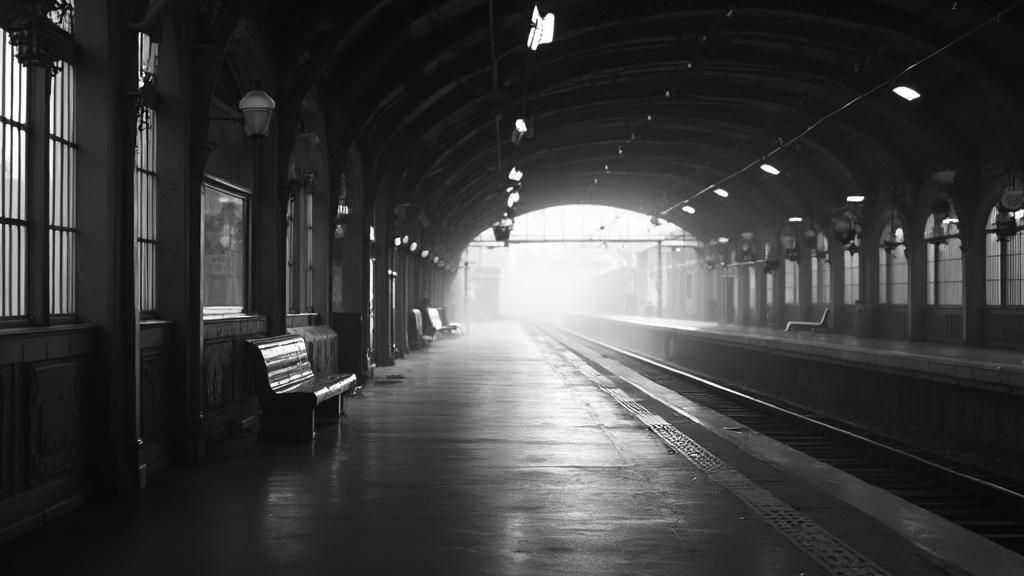
Budget airlines excel at efficiency, but they often leave you with a bland, hurried experience. If you crave the texture of daily life — like the quiet stations we photograph in our scenic train journeys roundup — the night train wins.
What should you choose?
There’s no one‑size‑fits‑all answer. Consider your priorities:
- If budget and low carbon impact top the list, night trains are usually the smarter pick.
- If you need to arrive fast for a tight schedule, a budget flight may still be necessary.
- If comfort and narrative matter, the sleeper cabin beats a cramped economy seat.
My personal rule of thumb: for trips under 800 km, I default to night trains; beyond that, I weigh time versus sustainability on a case‑by‑case basis.
Quick‑Hit Checklist: Choosing Between Night Trains and Budget Flights
- Map your route. Look for night‑train connections on Rail Europe or national operator sites.
- Compare total cost. Add ticket price + any overnight accommodation you’d otherwise need.
- Calculate carbon. Use the CarbonFootprint calculator to compare emissions.
- Check amenities. Verify Wi‑Fi, power, and berth type on the operator’s site.
- Factor time. Add station‑to‑city‑center travel and any layovers.
Follow this checklist and you’ll make an informed, values‑aligned decision every time you travel.
Takeaway
Night trains in 2026 have matured into a compelling alternative to budget airlines. They often cost less when you factor in accommodation, emit a fraction of the CO₂, and deliver a richer travel narrative. Use the checklist above, book early, and let the rails carry you into a more sustainable, story‑filled tomorrow.